Missouri Violet: A Charming Native Ground Cover for Shade Gardens
Looking for a delightful native plant that brings early spring color to shady spots? Meet the Missouri violet (Viola missouriensis), a charming little wildflower that’s been quietly beautifying American landscapes long before European settlers arrived. This unassuming native gem might just be the perfect addition to your shade garden.
What Makes Missouri Violet Special?
Missouri violet is a native perennial forb that belongs to the beloved violet family. Unlike woody plants, this herbaceous beauty dies back to the ground each winter and returns fresh each spring. You might also see it listed under its synonym Viola sororia var. missouriensis in some older gardening references, but rest assured – it’s the same delightful plant.
As a true American native, Missouri violet grows naturally across a impressive swath of the United States, including Arkansas, Georgia, Illinois, Indiana, Iowa, Kansas, Kentucky, Louisiana, Michigan, Minnesota, Mississippi, Missouri, Nebraska, New Mexico, Ohio, Oklahoma, Tennessee, Texas, and Wisconsin. This wide distribution is a testament to its adaptability and resilience.
- Species observed
- No observations
Garden Appeal and Design Role
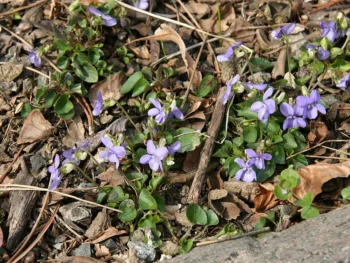
Don’t let its modest size fool you – Missouri violet packs a visual punch in the spring garden. The plant produces lovely purple-blue flowers that emerge in early spring, often when little else is blooming. These cheerful blooms sit atop heart-shaped leaves that form attractive low mats, making it an excellent ground cover choice for shaded areas.
In landscape design, Missouri violet shines in several roles:
- Woodland garden ground cover
- Naturalized area plantings
- Rain garden component
- Early spring color accent
- Native plant garden staple
Perfect Growing Conditions
Missouri violet is refreshingly easy-going about its growing conditions, which explains its wide native range. This adaptable native thrives in USDA hardiness zones 4-8, making it suitable for most temperate American gardens.
For optimal growth, provide:
- Partial shade to full shade (morning sun with afternoon shade works well)
- Moist to average soil conditions
- Clay soils are perfectly acceptable – this plant isn’t fussy!
One of Missouri violet’s most endearing qualities is its moisture flexibility. Its wetland status varies by region, but generally, it can handle both wet and moderately dry conditions. In most areas, it prefers consistently moist soil but won’t sulk if things get a bit drier in summer.
Wildlife and Pollinator Benefits
Here’s where Missouri violet really earns its keep in the native garden! As an early bloomer, it provides crucial nectar for emerging bees and butterflies when few other flowers are available. The plant serves double duty by acting as a host plant for fritillary butterfly caterpillars, supporting the complete life cycle of these beautiful pollinators.
Birds also appreciate the seeds that follow the flowers, and small wildlife often use the dense foliage for cover and nesting material.
Planting and Care Tips
Missouri violet is wonderfully low-maintenance once established. Here are some tips for success:
- Plant in spring or fall for best establishment
- Space plants about 8-12 inches apart for ground cover effect
- Water regularly the first year, then let natural rainfall take over
- No fertilizer needed – this native prefers lean conditions
- Allow plants to self-seed for natural spread
- Expect some spreading via underground rhizomes
Be prepared for Missouri violet to make itself at home! This species self-seeds readily and can spread gradually via underground stems. While not aggressive, it will naturalize over time, which is exactly what you want in a native ground cover.
Is Missouri Violet Right for Your Garden?
Missouri violet is an excellent choice if you’re looking for a low-maintenance native ground cover that supports local wildlife. It’s particularly valuable for gardeners wanting to create habitat for pollinators while adding gentle spring beauty to shaded areas.
Consider Missouri violet if you have:
- Shaded areas needing ground cover
- Interest in supporting native pollinators
- Desire for low-maintenance plantings
- Clay or challenging soils
- Areas with variable moisture conditions
This charming native proves that sometimes the best garden plants are the ones that have been thriving in our local landscapes for centuries. Missouri violet offers the perfect combination of beauty, ecological value, and easy care that makes native gardening so rewarding.