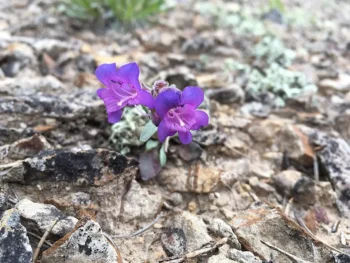
Moffatt’s Beardtongue: A Rare Rocky Mountain Gem Worth Protecting
Meet Moffatt’s beardtongue (Penstemon moffatii), a delicate wildflower that’s as elusive as it is beautiful. This perennial native plant calls the rugged landscapes of Colorado and Utah home, where it quietly thrives in specialized habitats that most gardeners never see.
A Plant with a Story
Moffatt’s beardtongue isn’t your everyday garden center find, and there’s a good reason for that. This remarkable plant holds a Global Conservation Status of S3, meaning it’s considered vulnerable throughout its range. With typically only 21 to 100 occurrences and between 3,000 to 10,000 individuals in the wild, this little forb is definitely on the rare side.
What makes it special? Like other members of the penstemon family, this perennial forb produces tubular flowers that are perfectly designed to attract hummingbirds and native bees. It’s a herbaceous plant, meaning it lacks woody stems and dies back to ground level each winter, only to emerge again when conditions are right.
Where Does It Call Home?
Moffatt’s beardtongue has a very limited natural range, growing only in Colorado and Utah. This narrow distribution is part of what makes it so special – and so vulnerable. In the wild, you’ll find it clinging to rocky slopes and specialized habitats where few other plants can survive.
- Species observed
- No observations
Should You Grow It?
Here’s where things get interesting. While Moffatt’s beardtongue would make a fascinating addition to a native plant collection, its rarity status means we need to approach it thoughtfully. If you’re determined to grow this beauty, please – and we cannot stress this enough – only source it from reputable native plant nurseries that propagate it ethically rather than wild-collecting.
This isn’t a plant for beginners or those looking for easy garden fillers. It’s for dedicated native plant enthusiasts who understand the responsibility that comes with growing rare species.
Growing Conditions and Care
Moffatt’s beardtongue is definitely not a plant it and forget it kind of perennial. Based on its natural habitat in Colorado and Utah, it likely thrives in:
- Excellent drainage (think rocky, sandy, or gravelly soils)
- Full sun to partial shade
- Cooler temperatures typical of higher elevations
- Minimal summer watering once established
- USDA hardiness zones 4-7 (estimated based on native range)
The key to success with this plant is mimicking its natural rocky mountain habitat as closely as possible. Consider incorporating it into a rock garden, alpine garden, or specialized native plant collection where its unique needs can be met.
Wildlife Benefits
Like its penstemon cousins, Moffatt’s beardtongue is a pollinator magnet. Its tubular flowers are particularly attractive to hummingbirds, which use their long beaks and tongues to reach the nectar inside. Native bees and other pollinators also benefit from this plant’s offerings.
The Bottom Line
Moffatt’s beardtongue is a plant that deserves our respect and protection. If you’re drawn to its unique beauty and conservation story, approach it as a stewardship opportunity rather than just another garden addition. Work with reputable native plant sources, provide the specialized care it needs, and consider it a small contribution to preserving America’s botanical heritage.
For most gardeners interested in penstemons, we’d recommend starting with more common native species that offer similar beauty without the conservation concerns. But for those special few who are up for the challenge, Moffatt’s beardtongue offers a chance to nurture something truly rare and wonderful.