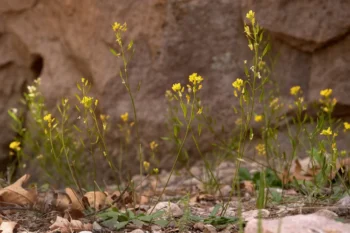
Mogollon Mountain Draba: A Rare Treasure of New Mexico’s High Country
If you’re a native plant enthusiast with a passion for rare and unusual species, you might have stumbled across Draba mogollonica, commonly known as Mogollon Mountain draba. This little-known wildflower represents one of those special plants that makes you appreciate the incredible diversity hiding in our native landscapes—though it’s definitely not your typical garden center find!
What Makes This Plant Special?
Mogollon Mountain draba is a forb (that’s botanist-speak for a non-woody flowering plant) that can live as an annual, biennial, or perennial depending on conditions. Think of it as a flexible little survivor that adapts its life strategy to whatever Mother Nature throws its way. Like other forbs, it lacks significant woody tissue and keeps its growing points at or below ground level—a smart strategy for surviving harsh mountain conditions.
Where Does It Call Home?
This rare beauty is endemic to New Mexico, specifically the Mogollon Mountains region that gives it its common name. It’s a true native of the American Southwest, found nowhere else in the world. That’s pretty special when you think about it—this little plant has carved out its own unique niche in one specific mountain range.
- Species observed
- No observations
A Word of Caution: Rarity Matters
Here’s where things get serious, fellow gardeners. Mogollon Mountain draba has a Global Conservation Status of S3, which means it’s considered vulnerable. With only 21 to 100 known occurrences and an estimated 3,000 to 10,000 individual plants in existence, this species is walking a tightrope toward potential extinction.
What does this mean for you as a gardener? If you’re considering adding this plant to your collection, you absolutely must ensure any material comes from responsible, ethical sources. Never collect from wild populations, and only purchase from reputable native plant nurseries that can verify their propagation methods.
The Reality Check: Growing Mogollon Mountain Draba
I’m going to be honest with you—there’s a reason you haven’t seen care guides for this plant splashed across gardening websites. Draba mogollonica exists in such specialized, remote habitats that very little is documented about its specific growing requirements, propagation methods, or garden performance.
What we do know is limited:
- It’s adapted to the unique climate and soil conditions of New Mexico’s Mogollon Mountains
- As a native high-elevation plant, it likely prefers cooler temperatures and well-draining soils
- Its flexible life cycle suggests it can adapt to varying moisture and growing seasons
- Specific hardiness zones, watering needs, and care requirements remain undocumented
Should You Grow It?
The short answer is: probably not, unless you’re a serious conservation-minded gardener with experience growing rare native species. Here’s why:
- Extremely limited availability makes sourcing difficult and expensive
- Lack of cultivation information means you’d be experimenting with a vulnerable species
- Its rarity means failed growing attempts represent a real conservation loss
- No documented benefits to pollinators or wildlife (though this may simply reflect lack of study)
Better Alternatives for New Mexico Gardens
If you’re drawn to rare native plants from the Southwest, consider these more readily available alternatives that won’t put vulnerable species at risk:
- Other Draba species that are more common and better studied
- Native wildflowers like Desert Marigold or Blanket Flower
- Regional natives that support local pollinators and wildlife
Supporting Conservation Instead
Rather than trying to grow Mogollon Mountain draba in your garden, consider supporting its conservation in the wild. You can donate to organizations working to protect New Mexico’s native plant habitats, participate in citizen science projects that monitor rare species, or volunteer with local native plant societies.
Sometimes the best way to appreciate a rare plant is to ensure it thrives in its natural home rather than struggling in our gardens. Mogollon Mountain draba represents the wild, untamed beauty of New Mexico’s mountains—and perhaps that’s exactly where it belongs.