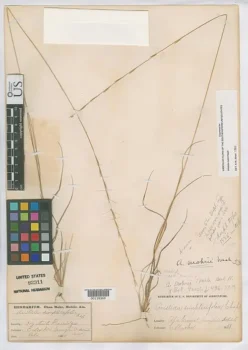
Mohr’s Threeawn: A Critically Rare Native Grass Worth Protecting
Meet Mohr’s threeawn (Aristida mohrii), a delicate native grass that’s become one of the Southeast’s most endangered botanical treasures. This unassuming perennial grass might not make headlines like flashy wildflowers, but it plays a crucial role in our native ecosystems—and desperately needs our help to survive.
What Makes Mohr’s Threeawn Special
Mohr’s threeawn is a fine-textured perennial grass native to the southeastern United States. Like other members of the Aristida genus, it produces characteristic three-awned seeds that give the plant its common name. This grass forms small clumps with narrow leaves and delicate seed heads that dance gracefully in the slightest breeze.
A Plant in Peril
Here’s where things get serious: Mohr’s threeawn has a Global Conservation Status of S1, meaning it’s critically imperiled. With typically five or fewer known occurrences and very few remaining individuals (fewer than 1,000), this grass is teetering on the edge of extinction. In Alabama, where much of the remaining population exists, it also carries an S1 rarity status.
This critically endangered status means that if you’re considering growing Mohr’s threeawn, you must source it responsibly. Never collect seeds or plants from wild populations—this could push the species closer to extinction.
Where Mohr’s Threeawn Calls Home
This rare grass is found in just four southeastern states: Alabama, Florida, Georgia, and South Carolina. Its limited range makes it particularly vulnerable to habitat loss and environmental changes.
- Species observed
- No observations
Growing Mohr’s Threeawn: For the Conservation-Minded Gardener
If you’re passionate about native plant conservation and can source Mohr’s threeawn from a reputable native plant nursery or seed bank, here’s what you need to know:
Ideal Growing Conditions
- Full sun exposure
- Well-drained, sandy soils
- USDA Hardiness Zones 8-10
- Drought tolerance once established
Care and Maintenance
Like many native grasses, Mohr’s threeawn is relatively low-maintenance once established. It prefers sandy, well-draining soils and full sun conditions. Avoid overwatering, as this grass has adapted to periodic drought conditions in its native habitat.
During its first growing season, provide regular water to help establish a strong root system. After that, this tough little grass should handle dry periods with minimal intervention.
Where It Fits in Your Landscape
Mohr’s threeawn isn’t your typical ornamental grass—it’s more of a specialized plant for dedicated native gardeners and restoration enthusiasts. Consider it for:
- Native plant preservation gardens
- Educational landscapes focused on rare species
- Naturalistic plantings that mimic southeastern grasslands
- Conservation collections
Supporting Conservation Efforts
The best way most gardeners can help Mohr’s threeawn is by supporting broader native habitat conservation efforts. Consider volunteering with local native plant societies, participating in habitat restoration projects, or advocating for the protection of remaining natural areas where this species might still survive.
If you do grow Mohr’s threeawn, consider participating in seed collection and distribution programs that could help establish new populations in suitable habitats—always under the guidance of conservation professionals.
The Bottom Line
Mohr’s threeawn represents both the beauty and fragility of our native plant heritage. While most gardeners won’t encounter this rare grass, knowing about species like this reminds us why protecting native habitats and growing native plants in our own gardens matters so much. Every native plant we nurture helps support the complex web of life that makes our ecosystems thrive.
If you’re inspired to grow native grasses but can’t source Mohr’s threeawn responsibly, consider other southeastern native Aristida species or grasses like little bluestem or wiregrass that can provide similar ecological benefits while being more readily available.