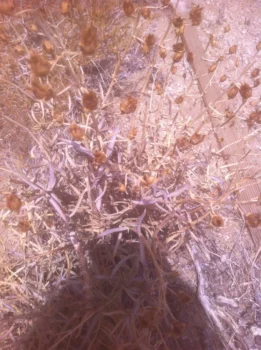
Mojave Beardtongue: A Desert Gem for Water-Wise Gardens
Meet the Mojave beardtongue (Penstemon incertus), a charming native shrub that’s perfectly adapted to life in the desert. If you’re looking to create a stunning, low-maintenance garden that celebrates the beauty of arid landscapes, this little powerhouse might just be your new best friend.
What Makes Mojave Beardtongue Special?
This perennial shrub is a true California native, calling the Mojave Desert region home. Standing typically 1-3 feet tall and wide, Mojave beardtongue produces clusters of tubular flowers in shades of pink to purple that create a delightful contrast against its silvery-green foliage. The blooms appear in spring, transforming your garden into a pollinator paradise.
Where Does It Grow?
Mojave beardtongue is native to California, specifically thriving in the Mojave Desert region. This hardy plant has evolved to handle the challenging conditions of desert life, making it an excellent choice for gardeners in similar climates.
- Species observed
- No observations
Why Grow Mojave Beardtongue?
There are plenty of reasons to fall in love with this desert beauty:
- Pollinator magnet: Hummingbirds, bees, and butterflies absolutely adore the tubular flowers
- Drought champion: Once established, it needs minimal water—perfect for xeriscaping
- Low maintenance: This shrub practically takes care of itself
- Native plant benefits: Supports local ecosystems and wildlife
- Year-round interest: Attractive foliage even when not in bloom
A Note About Conservation
Mojave beardtongue has a conservation status that suggests it may be uncommon in some areas. If you decide to add this beauty to your garden, make sure to source it from reputable native plant nurseries that grow their stock responsibly rather than collecting from wild populations.
Perfect Garden Settings
This shrub shines in:
- Desert and xeriscape gardens
- Rock gardens and slopes
- Water-wise landscape designs
- Native plant gardens
- Pollinator gardens
Growing Conditions and Care
Mojave beardtongue is surprisingly easy to grow when you give it what it wants:
Sunlight: Full sun is essential—this desert dweller needs at least 6-8 hours of direct sunlight daily.
Soil: Well-draining soil is non-negotiable. Sandy, rocky, or gravelly soils work best. Heavy clay or water-retentive soils can spell disaster for this drought-adapted plant.
Water: Less is definitely more. Water deeply but infrequently during the first year to help establish roots, then cut back significantly. Overwatering is the quickest way to kill a Mojave beardtongue.
Climate: Hardy in USDA zones 8-10, this plant can handle heat and cold snaps typical of desert regions.
Planting and Care Tips
Set your Mojave beardtongue up for success with these tips:
- Plant in fall or early spring when temperatures are moderate
- Dig a hole only as deep as the root ball but twice as wide
- Amend heavy soils with sand or pumice to improve drainage
- Mulch lightly with gravel or decomposed granite rather than organic mulch
- Prune lightly after flowering to maintain shape
- Avoid fertilizing—these plants prefer lean soils
The Bottom Line
Mojave beardtongue is a fantastic choice for gardeners who want to embrace water-wise gardening while supporting native wildlife. Its beautiful spring blooms, minimal care requirements, and pollinator appeal make it a winner for desert and Mediterranean-style gardens. Just remember to source it responsibly and give it the well-draining conditions it craves. Your local hummingbirds will thank you!