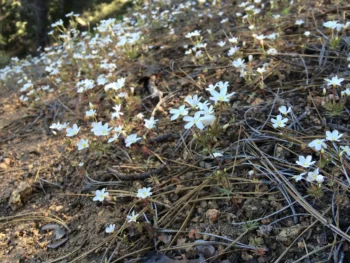
Mojave Linanthus: A Rare Desert Gem Worth Protecting in Your Garden
If you’re drawn to delicate desert wildflowers and want to support conservation efforts, Mojave linanthus (Leptosiphon breviculus) might just capture your heart. This petite annual brings understated beauty to xeriscaped gardens while playing an important role in preserving California’s desert heritage.
What Makes Mojave Linanthus Special?
Mojave linanthus is a charming little forb—basically a non-woody flowering plant—that calls California’s Mojave Desert home. As an annual, it completes its entire life cycle in one growing season, making every bloom precious and fleeting. Don’t let its modest size fool you; this tiny wildflower packs a surprising punch when it comes to desert garden appeal.
Where Does It Naturally Grow?
This native beauty is exclusively found in California, specifically in the Mojave Desert region. It’s perfectly adapted to the harsh conditions of desert washes, sandy flats, and rocky slopes where few other plants dare to venture.
- Species observed
- No observations
Important Conservation Note
Here’s something every responsible gardener should know: Mojave linanthus has a Global Conservation Status of S2S3, meaning it’s considered imperiled to vulnerable in the wild. If you’re considering adding this rare gem to your garden, please only source seeds or plants from reputable nurseries that ethically collect or propagate native plants. Never collect from wild populations!
Garden Appeal and Design Role
Mojave linanthus brings a delicate, naturalistic charm to desert landscapes. Its small clusters of white to pale pink flowers create a soft, airy texture that contrasts beautifully with more structural desert plants like cacti and agaves. Think of it as nature’s confetti—subtle but absolutely delightful when you discover it nestled among rocks or filling in gaps between larger plants.
Perfect Garden Settings
This little beauty shines in:
- Xeriscaped gardens that celebrate water-wise gardening
- Native plant gardens focused on California flora
- Rock gardens with excellent drainage
- Desert-themed landscapes
- Naturalistic wildflower meadows in arid regions
Growing Conditions
Mojave linanthus is surprisingly easy to please if you can mimic its desert home:
- Sun exposure: Full sun is essential
- Soil: Well-draining sandy or rocky soil—think desert-like
- Water: Minimal once established; it’s built for drought
- Climate zones: USDA zones 8-10, particularly in arid regions
Planting and Care Tips
Growing Mojave linanthus successfully is all about timing and location:
Seeding: Direct seed in fall when temperatures cool down. This allows the seeds to experience natural winter conditioning and germinate with spring rains.
Care: Once established, this is a remarkably low-maintenance plant. Avoid overwatering—remember, it evolved in the desert! Let nature do most of the work.
Companions: Pair with other desert natives like desert marigold, brittlebush, or desert lupine for a stunning naturalistic display.
Benefits to Pollinators and Wildlife
While small, Mojave linanthus plays an important role in supporting desert ecosystems. Its flowers attract small native bees and other beneficial insects that are crucial pollinators in desert environments. By growing this plant, you’re helping support the intricate web of desert life.
Should You Grow Mojave Linanthus?
If you garden in an appropriate climate and want to support conservation while enjoying a unique desert wildflower, Mojave linanthus could be perfect for you. Just remember the golden rule: only source plants or seeds responsibly. Consider it a small but meaningful way to participate in preserving California’s precious desert heritage right in your own backyard.
This rare little beauty reminds us that sometimes the most special plants are the ones that ask for very little—except our respect and responsible stewardship.