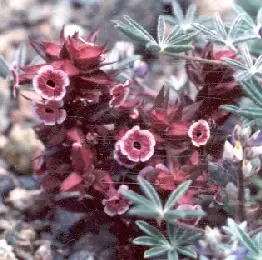
Mojave Monkeyflower: A Rare Desert Gem Worth Protecting
Meet the Mojave monkeyflower (Mimulus mohavensis), a charming little desert wildflower that’s as rare as it is resilient. This annual beauty calls the harsh Mojave Desert home, where it puts on a spectacular spring show before disappearing until the next favorable growing season.
Where You’ll Find This Desert Treasure
The Mojave monkeyflower is native to California, specifically thriving in the Mojave Desert region. This specialized habitat includes desert washes, sandy flats, and rocky areas where few other plants dare to grow. As a true native of the lower 48 states, it has evolved perfectly for life in one of North America’s most challenging environments.
- Species observed
- No observations
A Conservation Priority
Important Conservation Note: The Mojave monkeyflower has a Global Conservation Status of S2, meaning it’s considered imperiled due to extreme rarity. With typically only 6 to 20 known occurrences remaining, this little wildflower needs our help to survive.
If you’re interested in growing this rare beauty, please only use responsibly sourced seeds or plants from reputable native plant societies or conservation organizations. Never collect from wild populations.
What Makes It Special
Don’t let its small stature fool you – this annual forb packs a big punch when it comes to desert charm. The Mojave monkeyflower produces delicate, tubular yellow flowers that are perfectly sized for attracting small native bees and other desert pollinators. As an annual, it completes its entire life cycle in one growing season, making the most of brief periods when desert conditions are just right.
The plant stays relatively compact, making it perfect for rock gardens, xeriscaping projects, or specialized native desert plant collections.
Growing Conditions and Care
If you’re lucky enough to obtain seeds responsibly, here’s what the Mojave monkeyflower needs to thrive:
- Sunlight: Full sun exposure
- Soil: Well-draining, sandy or rocky soil that mimics desert conditions
- Water: Minimal irrigation – this plant is adapted to desert rainfall patterns
- Climate: USDA hardiness zones 8-10, particularly suited for arid desert regions
Planting and Care Tips
Growing Mojave monkeyflower requires patience and respect for its natural growing patterns:
- Direct seed in fall to allow natural winter stratification
- Plant in areas with excellent drainage to prevent root rot
- Avoid overwatering – let natural rainfall do most of the work
- Be prepared for the plant to complete its cycle and disappear until next season
- Allow seeds to naturally disperse for potential future germination
Supporting Desert Biodiversity
By growing Mojave monkeyflower, you’re not just adding a unique plant to your garden – you’re participating in conservation efforts. This rare wildflower supports specialized desert pollinators and represents an important piece of Mojave Desert ecology.
The small yellow flowers may seem modest, but they play a crucial role in supporting native bee populations and other desert insects that have co-evolved with this remarkable plant.
Is This Plant Right for Your Garden?
The Mojave monkeyflower is perfect for gardeners who:
- Live in appropriate desert climates (zones 8-10)
- Are passionate about native plant conservation
- Want to support rare and endangered species
- Enjoy the unique beauty of desert wildflowers
- Have experience with specialized growing requirements
However, this isn’t the right choice if you’re looking for a long-lasting perennial or live outside its natural climate range. Remember, as a rare species, availability is extremely limited, and any cultivation should prioritize conservation over garden decoration.
The Mojave monkeyflower reminds us that some of nature’s most precious gems are also its most vulnerable. By growing this rare beauty responsibly, we become partners in preserving a unique piece of America’s desert heritage for future generations.