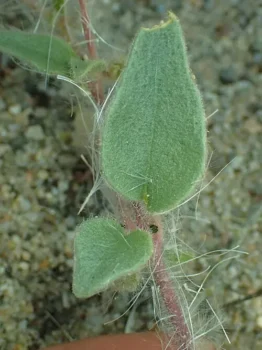
Mojave Sand Verbena: A Desert Treasure for Your Xeriscape Garden
If you’re looking to add a touch of delicate beauty to your desert garden, meet the Mojave sand verbena (Abronia pogonantha). This charming little annual might not be the showiest plant in the desert, but it has a quiet elegance that makes it a wonderful addition to the right landscape.
What Makes Mojave Sand Verbena Special
The Mojave sand verbena is a native annual forb, which is just a fancy way of saying it’s a non-woody flowering plant that completes its life cycle in one year. Don’t let its annual nature fool you though – this little desert dweller packs plenty of charm into its brief but beautiful life.
The plant produces clusters of small, fragrant flowers that range from white to pale pink, creating a subtle but lovely display. These sweetly scented blooms open in the evening, making them perfect for gardens where you like to spend time during cooler evening hours.
Where It Calls Home
This desert native is found naturally in California and Nevada, specifically in the Mojave Desert regions. It’s perfectly adapted to the harsh conditions of this iconic American desert landscape.
- Species observed
- No observations
A Word About Conservation
Here’s something important to know: Mojave sand verbena has a conservation status that suggests it may be somewhat uncommon in the wild. This doesn’t mean you can’t grow it, but it does mean you should be thoughtful about where you source your seeds or plants. Always purchase from reputable native plant nurseries that ethically source their materials.
Perfect for Desert Gardens
If you’re creating a xeriscape, desert, or rock garden, Mojave sand verbena could be just what you’re looking for. It works beautifully as:
- Ground cover in open areas
- Filler between larger desert plants
- Natural-looking additions to rock gardens
- Part of a native plant restoration project
Growing Conditions That Make It Happy
Like most desert natives, Mojave sand verbena has some specific preferences:
- Soil: Sandy, extremely well-draining soil is essential
- Sun: Full sun exposure
- Water: Very low water needs once established
- Climate: Thrives in USDA hardiness zones 8-10
Planting and Care Tips
The good news is that once you understand its needs, Mojave sand verbena is relatively low-maintenance:
- Plant seeds in fall for spring bloom
- Ensure excellent drainage – this plant cannot tolerate wet feet
- Water sparingly, if at all, once established
- Avoid fertilizing, as desert plants prefer lean soils
- Allow plants to self-seed for natural regeneration
Supporting Desert Wildlife
Those evening-blooming flowers aren’t just pretty – they serve an important purpose. The fragrant blooms attract moths and other nocturnal pollinators, making this plant a valuable addition to pollinator-friendly desert gardens.
Is Mojave Sand Verbena Right for Your Garden?
This plant is perfect if you:
- Live in a desert climate (zones 8-10)
- Want to support native desert ecosystems
- Appreciate subtle, fragrant flowers
- Have excellent drainage and sandy soil
- Enjoy low-maintenance gardening
However, it might not be the best choice if you:
- Live in a humid or wet climate
- Have heavy clay soil
- Prefer showy, long-lasting blooms
- Want perennial plants
Remember, because of its conservation status, always source Mojave sand verbena responsibly from reputable native plant suppliers. By choosing this native beauty, you’re not just adding charm to your garden – you’re also supporting the unique ecosystems of the American Southwest.