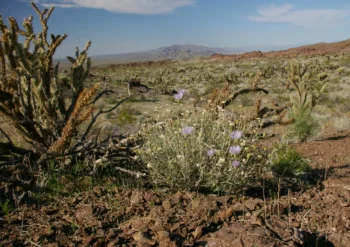
Mojave Woodyaster: A Desert Gem for Southwestern Gardens
If you’re looking to add some authentic southwestern charm to your garden, the Mojave woodyaster might just be the perfect native wildflower for you. This delightful desert dweller brings both beauty and ecological value to water-wise landscapes across the American Southwest.
What is Mojave Woodyaster?
Mojave woodyaster (Xylorhiza tortifolia var. tortifolia) is a perennial forb native to the lower 48 states, specifically thriving in the harsh yet stunning Mojave Desert region. As a member of the sunflower family, this hardy plant produces charming daisy-like flowers that seem to defy the challenging desert conditions where it naturally grows.
You might also encounter this plant listed under several botanical synonyms, including Machaeranthera tortifolia, Aster tortifolius, or Aplopappus tortifolius, as botanists have reclassified it over the years.
Where Does It Grow Naturally?
This desert specialist calls the southwestern United States home, naturally occurring across Arizona, California, Nevada, and Utah. It’s perfectly adapted to the Mojave Desert’s unique conditions, thriving in areas that would challenge many other plants.
- Species observed
- No observations
Why Consider Growing Mojave Woodyaster?
There are several compelling reasons to welcome this native beauty into your garden:
- Authentic regional character: Nothing says Southwest quite like native desert wildflowers
- Water-wise gardening: Once established, it requires minimal irrigation
- Pollinator magnet: The daisy-like flowers attract native bees, butterflies, and other desert pollinators
- Low maintenance: Adapted to tough conditions, it’s naturally resilient
- Seasonal interest: Produces showy white to pale purple flowers with bright yellow centers
Garden Design Ideas
Mojave woodyaster shines in several landscape applications:
- Desert gardens: Perfect for authentic southwestern landscapes
- Xeriscaping: An ideal choice for water-conservative designs
- Rock gardens: Thrives among rocks and gravel
- Native plant gardens: Essential for regional native plant collections
- Pollinator gardens: Supports local wildlife while conserving water
Growing Conditions and Care
Success with Mojave woodyaster comes from mimicking its natural desert habitat:
Sunlight: Requires full sun exposure for best flowering and overall health.
Soil: Demands excellent drainage – sandy, rocky, or gravelly soils work best. Clay soils are typically too moisture-retentive and can cause problems.
Water: Once established, water very sparingly. Overwatering is more likely to kill this plant than underwatering.
Climate: Best suited for USDA hardiness zones 8-10, where it can handle hot summers and mild winters.
Planting and Care Tips
Getting started with Mojave woodyaster requires attention to a few key details:
- Timing: Plant in fall or early spring when temperatures are moderate
- Drainage is everything: If your soil doesn’t drain well naturally, create raised beds or add plenty of coarse sand and gravel
- Spacing: Give plants room for air circulation to prevent moisture-related issues
- Watering: Water deeply but infrequently during establishment, then reduce to minimal supplemental water
- Fertilizing: Avoid fertilizers – desert plants are adapted to lean soils
Important Conservation Note
Mojave woodyaster has a conservation status that suggests it may be uncommon in parts of its range. If you’re interested in growing this native beauty, please source your plants or seeds from reputable native plant nurseries that practice responsible collection methods. Never collect plants or seeds from wild populations.
Is This Plant Right for Your Garden?
Mojave woodyaster is an excellent choice if you’re gardening in the Southwest and want to create authentic, water-wise landscapes that support local wildlife. However, it’s not suitable for humid climates, areas with poor drainage, or gardens where regular irrigation is the norm.
If you’re outside its natural range but love the idea of native desert daisies, consider researching similar native asters or sunflower family members that are indigenous to your region. There’s likely a local native that can provide similar benefits while being better adapted to your specific climate and conditions.
For southwestern gardeners willing to work with nature rather than against it, Mojave woodyaster offers a perfect combination of beauty, ecological value, and low-maintenance charm that exemplifies the best of desert gardening.