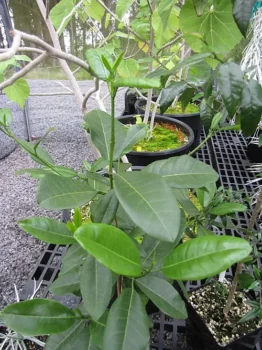
Mokihana Kukae Moa: A Rare Hawaiian Treasure for Your Native Garden
If you’re passionate about Hawaiian native plants and want to add a piece of authentic island heritage to your garden, mokihana kukae moa might just be the perfect choice. This remarkable shrub, known botanically as Melicope hawaiensis, represents both the beauty and fragility of Hawaii’s unique flora.
What is Mokihana Kukae Moa?
Mokihana kukae moa is a perennial shrub that’s as authentic as Hawaiian plants get – it’s found nowhere else on Earth except the Hawaiian Islands. This multi-stemmed woody plant typically grows to about 13-16 feet tall, though it can vary depending on growing conditions. What makes this plant special isn’t just its native status, but its deep cultural connections to Hawaiian traditions.
You might also encounter this plant under its former scientific names, including various Pelea species, as botanists have reclassified it over the years. But regardless of what you call it, this shrub remains a true Hawaiian endemic.
Where Does It Grow Naturally?
This special shrub calls Hawaii home and only Hawaii. It’s naturally distributed across the Hawaiian Islands, where it has evolved over thousands of years to thrive in the unique island environment.
- Species observed
- No observations
A Word of Caution: This Plant is Rare
Before you get too excited about adding mokihana kukae moa to your garden, there’s something important you need to know. This plant has a Global Conservation Status of S2, which means it’s considered Imperiled. In practical terms, this means there are typically only 6 to 20 known occurrences of this plant in the wild, with somewhere between 1,000 to 3,000 individual plants remaining.
What does this mean for you as a gardener? While we absolutely encourage growing this beautiful native plant, it’s crucial that you source it responsibly. Never collect plants or seeds from the wild, and only purchase from reputable native plant nurseries that propagate their stock ethically.
Why Grow Mokihana Kukae Moa?
Despite its rarity – or perhaps because of it – there are compelling reasons to consider this plant for your Hawaiian native garden:
- It’s a true piece of Hawaiian natural heritage
- The small, clustered flowers add delicate beauty to native landscapes
- Its aromatic leaves provide sensory interest
- It supports native Hawaiian pollinators and insects
- Growing it helps preserve this rare species for future generations
Perfect Garden Settings
Mokihana kukae moa shines brightest in:
- Native Hawaiian restoration gardens
- Ethnobotanical collections
- Understory plantings beneath taller native trees
- Conservation-focused landscapes
- Educational gardens showcasing Hawaiian flora
Growing Conditions and Care
If you’re lucky enough to source this rare beauty, here’s what it needs to thrive:
Climate: This is definitely a warm-weather plant, suited for USDA hardiness zones 10-12. If you’re not in tropical or subtropical Hawaii, you’ll need greenhouse conditions.
Light: Mokihana kukae moa adapts well to both partial shade and full sun, making it fairly flexible for different garden spots.
Soil: Well-draining soil is absolutely essential. Like many Hawaiian natives, this plant doesn’t tolerate waterlogged conditions.
Water: Provide regular watering during establishment, but avoid overwatering once the plant is settled in.
Planting and Care Tips
Growing mokihana kukae moa successfully requires attention to a few key details:
- Plant in well-draining soil – amend heavy clay soils with organic matter
- Water consistently during the first year while roots establish
- Mulch around the base to retain moisture and suppress weeds
- Protect young plants from strong winds
- Be patient – like many natives, it may take time to establish
Supporting Conservation Through Gardening
By choosing to grow mokihana kukae moa responsibly, you’re not just adding a beautiful plant to your garden – you’re participating in conservation. Every responsibly propagated plant helps preserve genetic diversity and reduces pressure on wild populations.
Remember, the key word here is responsibly. Always purchase from reputable native plant nurseries, never collect from the wild, and consider sharing seeds or cuttings with other conservation-minded gardeners (following proper protocols, of course).
Mokihana kukae moa may be rare, but with careful cultivation and respect for its conservation status, this Hawaiian treasure can find a place in native gardens while contributing to its long-term survival. It’s not just gardening – it’s conservation in action.