Mokihana: Hawaii’s Fragrant Native Treasure Worth Growing Responsibly
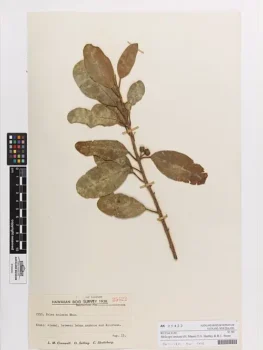
If you’ve ever dreamed of adding an authentic piece of Hawaiian paradise to your garden, mokihana (Melicope anisata) might just be the aromatic gem you’re looking for. This enchanting native Hawaiian shrub doesn’t just look beautiful – it smells absolutely divine, with leaves that release a sweet anise or licorice fragrance when brushed against or crushed.
What Makes Mokihana Special
Mokihana is a charming perennial shrub that typically grows as a multi-stemmed woody plant, usually staying under 13-16 feet tall – perfect for most home gardens. What really sets this plant apart is its incredibly fragrant foliage. The simple, opposite leaves emit that distinctive licorice-like scent that has made mokihana a beloved part of Hawaiian culture for generations.
The plant produces small clusters of white to greenish flowers that, while modest in appearance, attract native Hawaiian insects and add a delicate charm to the overall plant structure.
Where Mokihana Calls Home
This beautiful shrub is endemic to the Hawaiian Islands, meaning it naturally occurs nowhere else on Earth. You’ll find mokihana thriving in Hawaii’s mesic to wet forest areas, particularly on islands like Kauai, where it has adapted perfectly to the unique volcanic soils and tropical climate.
- Species observed
- No observations
Important Conservation Note
Before you fall completely in love with the idea of growing mokihana, there’s something crucial you need to know: This plant has a vulnerable conservation status (S3), with only an estimated 21-100 occurrences or 3,000-10,000 individuals remaining in the wild. This means mokihana is at risk in its natural habitat.
If you’re considering adding mokihana to your garden, please only source it from reputable native plant nurseries that propagate plants responsibly rather than collecting from wild populations. By choosing responsibly sourced plants, you’re helping protect this precious species while still enjoying its beauty in your landscape.
Growing Mokihana Successfully
The good news? If you live in USDA hardiness zones 10-12 (think southern Florida, Hawaii, or southern California), mokihana can be a wonderful addition to your garden when grown responsibly.
Ideal Growing Conditions
- Sunlight: Partial shade to full sun
- Soil: Well-draining soils (adapts well to volcanic-type soils)
- Water: Moderate to low water once established
- Climate: Tropical to subtropical conditions only
Perfect Garden Roles
Mokihana shines in several garden settings:
- Native Hawaiian gardens: An authentic choice for island-style landscaping
- Fragrant gardens: The aromatic foliage makes this a standout sensory plant
- Specimen planting: Beautiful as a focal point or accent plant
- Naturalized woodland areas: Fits perfectly in casual, natural-looking landscapes
Planting and Care Tips
Getting mokihana established in your garden is relatively straightforward if you follow these guidelines:
- Site selection: Choose a location with good drainage – mokihana doesn’t like soggy feet
- Initial watering: Provide regular water during the first growing season to help establish roots
- Long-term care: Once established, reduce watering frequency – this plant prefers drier conditions
- Pruning: Occasional light pruning helps maintain an attractive shape
- Soil preparation: Ensure excellent drainage; amend heavy soils if necessary
Wildlife and Pollinator Benefits
While mokihana may be small, it plays an important role in supporting local ecosystems. The flowers attract native Hawaiian insects, and when grown in appropriate climates, can help support local pollinator populations. As a bonus, its facultative upland status means it’s adaptable to various moisture conditions, though it typically prefers drier sites.
Is Mokihana Right for Your Garden?
Mokihana is an excellent choice if you:
- Live in zones 10-12 with a tropical or subtropical climate
- Want an authentically Hawaiian plant with incredible fragrance
- Appreciate unique, aromatic foliage plants
- Are committed to sourcing plants responsibly
- Have well-draining soil or can create it
However, mokihana might not be the best fit if you live in cooler climates, have consistently wet soil conditions, or aren’t able to source the plant from responsible propagators.
A Living Connection to Hawaiian Heritage
Growing mokihana responsibly isn’t just about adding a beautiful, fragrant plant to your landscape – it’s about connecting with and helping preserve an important piece of Hawaiian natural heritage. When you choose to grow this vulnerable species from responsibly sourced material, you’re participating in conservation efforts while enjoying one of Hawaii’s most aromatic native treasures.
Remember, every responsibly grown mokihana plant is a small victory for conservation and a fragrant reminder of the incredible biodiversity that makes Hawaii so special. Your garden can be part of preserving this aromatic piece of paradise for future generations to enjoy.