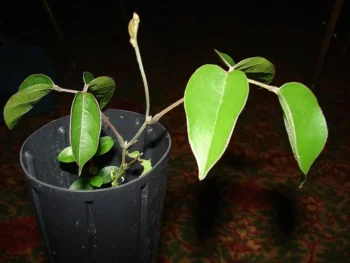
Molokai Jackbean: A Critically Endangered Hawaiian Treasure
Meet the Molokai jackbean (Canavalia molokaiensis), one of Hawaii’s rarest native plants that tells a story of both botanical wonder and conservation urgency. This perennial herb isn’t your typical garden center find – and for very important reasons that every plant lover should understand.
What Makes This Plant Special
The Molokai jackbean is a native Hawaiian forb that belongs to the legume family. Unlike woody shrubs or trees, this herbaceous perennial lacks significant woody tissue and maintains its life cycle through underground parts that survive from year to year. You might also encounter it in botanical literature under its synonyms Canavalia peninsularis or Canavalia stenophylla.
Where It Calls Home
This remarkable plant is endemic to Hawaii, meaning it exists naturally nowhere else on Earth. Historically found across the Hawaiian island chain, its distribution has become severely restricted over time.
- Species observed
- No observations
A Plant in Crisis
Here’s the crucial information every gardener needs to know: The Molokai jackbean carries a Global Conservation Status of S1, meaning it’s critically imperiled. With typically five or fewer occurrences and very few remaining individuals (less than 1,000), this species is classified as Endangered in the United States.
This rarity status means that if you’re considering growing this plant, you must proceed with extreme caution and responsibility.
Should You Grow Molokai Jackbean?
The short answer is: only under very specific circumstances. Given its critically endangered status, this isn’t a plant for casual gardening. However, it could be appropriate for:
- Botanical gardens with conservation programs
- Native Hawaiian plant preservation efforts
- Educational institutions with proper permits
- Certified conservation organizations
If you’re passionate about Hawaiian native plants and want to support conservation efforts, consider partnering with established botanical institutions rather than attempting to grow this species independently.
Growing Conditions and Care
While specific growing requirements for Molokai jackbean aren’t well-documented due to its rarity, we can infer from its native Hawaiian habitat that it likely thrives in:
- USDA Hardiness Zones 10-12 (tropical conditions)
- Well-draining soils typical of Hawaiian coastal or dry forest areas
- Warm, humid tropical climate
- Protection from strong winds
As a legume, it probably benefits from the nitrogen-fixing capabilities common to plants in the bean family, potentially making it somewhat self-sufficient in terms of soil nutrition.
The Responsible Approach
If you’re drawn to this plant’s story, the most responsible way to appreciate it is through:
- Supporting Hawaiian native plant conservation organizations
- Visiting botanical gardens where it may be preserved
- Choosing other native Hawaiian plants that aren’t critically endangered
- Learning about habitat restoration efforts in Hawaii
Alternative Native Hawaiian Plants
Consider these less threatened native Hawaiian plants that can bring the spirit of the islands to your garden:
- Native Hawaiian hibiscus varieties
- Naupaka (Scaevola species)
- Hawaiian tree ferns
- Native Hawaiian grasses
The Bigger Picture
The Molokai jackbean represents more than just a rare plant – it’s a reminder of how human activity has impacted Hawaii’s unique ecosystems. By understanding and respecting the conservation status of plants like this one, we become better stewards of our planet’s botanical diversity.
While you might not be able to grow Molokai jackbean in your backyard, you can still be part of its story by supporting conservation efforts and making thoughtful choices about the plants you do grow. Sometimes, the greatest act of plant love is knowing when to admire from a distance.