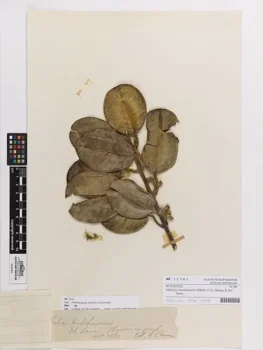
Molokai Melicope: A Rare Hawaiian Native Worth Protecting
Meet the Molokai melicope (Melicope molokaiensis), a charming Hawaiian native shrub that’s as unique as it is endangered. This little-known gem represents both an opportunity and a responsibility for native plant enthusiasts who want to support Hawaii’s incredible botanical heritage.
What Makes Molokai Melicope Special?
The Molokai melicope is a perennial shrub that typically grows as a multi-stemmed woody plant, usually staying under 13-16 feet tall. What sets this plant apart isn’t just its rarity—it’s the delicate beauty it brings to shaded spaces. When it blooms, small white to cream-colored flowers create a subtle but lovely display, while the aromatic foliage releases a pleasant scent when brushed against.
You might also see this plant listed under its former scientific names, including Pelea foetida, Pelea molokaiensis, or Pelea stellata, so don’t be confused if you encounter these synonyms in older gardening references.
Where Does It Come From?
This shrub is endemic to Hawaii, meaning it exists nowhere else on Earth naturally. More specifically, it’s native to the island of Molokai, where it grows in the island’s mesic to wet forest environments.
- Species observed
- No observations
A Plant That Needs Our Help
Here’s where things get serious: the Molokai melicope has a Global Conservation Status of S3, which translates to Vulnerable. This means there are likely only 21-100 populations remaining, with an estimated 3,000-10,000 individual plants left in the wild. That’s not many when you think about it!
If you’re considering adding this plant to your garden, please only source it from reputable nurseries that grow it from ethically collected seeds or cuttings—never take plants from the wild.
Perfect for the Right Garden
The Molokai melicope thrives in USDA hardiness zones 10-12, making it suitable for tropical and subtropical gardens. It’s particularly well-suited for:
- Native Hawaiian restoration gardens
- Shade gardens and understory plantings
- Conservation-focused landscapes
- Areas that mimic Hawaii’s natural forest environments
In a landscape design, this shrub works beautifully as an understory plant, providing texture and subtle fragrance beneath taller native trees. Its modest size and growth habit make it perfect for creating layered, naturalistic plantings.
Growing Conditions and Care
Think Hawaiian forest when planning where to plant your Molokai melicope:
- Light: Partial shade to full shade—this isn’t a sun-lover
- Soil: Moist, well-draining soil that doesn’t dry out completely
- Water: Consistent moisture is key, but avoid waterlogged conditions
- Protection: Shield from strong winds, which can damage the delicate branches
Caring for Your Molokai Melicope
Once established, this shrub is relatively low-maintenance, but it does have some specific needs:
- Keep the soil consistently moist but not soggy
- Mulch around the base to help retain moisture and suppress weeds
- Protect from strong winds and direct afternoon sun
- Prune lightly if needed, but this plant typically maintains a nice natural shape
Supporting Conservation Through Gardening
By growing the Molokai melicope in your garden, you’re doing more than just adding an interesting plant—you’re participating in conservation efforts. Every responsibly grown specimen helps preserve the genetic diversity of this rare species and raises awareness about Hawaii’s unique native flora.
The small flowers also provide nectar for native Hawaiian insects, making your garden a little oasis for local pollinators. While we don’t have complete data on all the wildlife that benefits from this plant, any native Hawaiian species plays an important role in supporting the island’s ecosystem.
Is Molokai Melicope Right for Your Garden?
Consider this plant if you:
- Live in a tropical climate (zones 10-12)
- Have a shaded or partially shaded garden space
- Are passionate about native plants and conservation
- Want to create an authentic Hawaiian forest environment
- Can commit to providing consistent moisture
Remember, with great beauty comes great responsibility. The Molokai melicope offers gardeners a chance to grow something truly special while contributing to conservation efforts. Just make sure you’re sourcing your plant responsibly—this rare Hawaiian native deserves nothing less than our most thoughtful care.