Molokai Ohaha: Growing Hawaii’s Rarest Bottle Tree
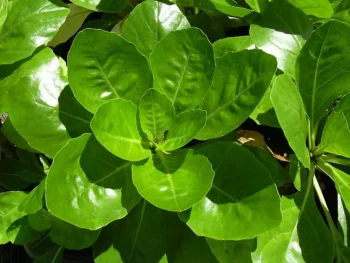
If you’ve ever wondered what a plant looks like when Mother Nature decides to get creative with a bottle and some leaves, meet the Molokai ohaha (Brighamia rockii). This remarkable Hawaiian native looks like something Dr. Seuss might have dreamed up – a swollen, bottle-shaped trunk topped with a dramatic rosette of thick, succulent leaves. But here’s the thing: this quirky beauty is fighting for its very survival.
A Plant on the Brink
Before we dive into growing tips, let’s address the elephant in the room. The Molokai ohaha is critically endangered, with a Global Conservation Status of S1 and listed as Endangered in the United States. With typically 5 or fewer occurrences and very few remaining individuals (fewer than 1,000), this plant is rarer than a parking spot at the beach on a sunny Saturday.
Important note for gardeners: If you’re interested in growing this species, please ensure you source it only from reputable conservation programs or botanical gardens with proper permits. Growing rare plants can be part of conservation efforts, but only when done responsibly.
Where Does It Come From?
The Molokai ohaha is endemic to Hawaii, specifically the dramatic sea cliffs of Molokai’s north shore. It’s a true Hawaiian native that has called these islands home long before any of us showed up with our garden hoses and fertilizers.
- Species observed
- No observations
What Makes It Special
This perennial shrub is like the botanical equivalent of a piece of modern art. Here’s what makes it so distinctive:
- A thick, bottle-shaped trunk (called a caudex) that stores water
- Large, succulent leaves arranged in a rosette at the top
- Clusters of small, tubular flowers that range from white to pale yellow
- Typically grows less than 13-16 feet tall, though usually much smaller in cultivation
The Pollination Problem
Here’s where things get a bit heartbreaking. The Molokai ohaha’s original pollinators – native Hawaiian moths – are now extinct. This means that in the wild, these plants can’t reproduce naturally anymore. In cultivation, they require hand pollination to produce seeds, making them entirely dependent on human intervention for survival.
Growing Conditions: Not Your Average Houseplant
If you’re thinking about growing a Molokai ohaha, you’ll need to recreate a slice of Hawaiian paradise. Here’s what this picky plant demands:
- Climate: USDA hardiness zones 10b-12 only (tropical and subtropical climates)
- Sunlight: Partial shade to full sun
- Soil: Exceptionally well-draining soil is non-negotiable
- Water: Minimal water requirements – this is a drought-tolerant succulent
- Wind protection: Shelter from strong winds
- Temperature: Protection from cold temperatures
Care Tips for Success
Growing a Molokai ohaha is like caring for a VIP guest – it has specific needs, but once you meet them, it’s relatively low-maintenance:
- Plant in a rock garden or xerophytic (dry) garden setting
- Ensure drainage is perfect – soggy roots are a death sentence
- Water sparingly and only when soil is completely dry
- Provide some wind protection, especially when young
- Consider it a specimen plant – it deserves center stage
- If growing indoors, provide bright light and excellent air circulation
Is It Right for Your Garden?
The Molokai ohaha isn’t for everyone, and honestly, that’s probably for the best. This plant is ideal for:
- Serious collectors of rare or native Hawaiian plants
- Botanical gardens and conservation programs
- Rock garden enthusiasts in tropical climates
- Gardeners committed to supporting conservation efforts
If you live outside of zones 10b-12 or don’t have experience with finicky succulents, this might not be the best choice for your first rare plant adventure.
The Conservation Connection
Growing a Molokai ohaha isn’t just about having a cool plant – it’s about being part of something bigger. Every responsibly grown plant represents hope for this species’ survival. Botanical gardens and conservation programs are working tirelessly to maintain genetic diversity and potentially reintroduce plants to the wild.
By growing this species (with proper sourcing), you become part of a living seed bank, helping ensure that future generations might still get to marvel at these botanical bottles on Molokai’s cliffs.
The Bottom Line
The Molokai ohaha is undoubtedly one of the most unique plants you could grow, but it comes with serious responsibility. If you have the right climate, the proper growing conditions, and most importantly, access to responsibly sourced plants, growing this species can be a meaningful way to support conservation efforts.
Just remember: with great plants comes great responsibility. This isn’t just gardening – it’s conservation in action.