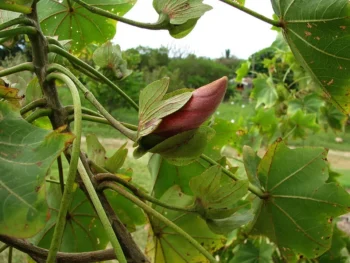
Molokai Treecotton: A Rare Hawaiian Treasure Worth Protecting
If you’re passionate about Hawaiian native plants and conservation, you may have heard whispers about one of the islands’ most endangered botanical treasures: Molokai treecotton (Kokia cookei). This remarkable shrub tells a story of both beauty and fragility that every native plant enthusiast should know.
What Makes Molokai Treecotton Special?
Molokai treecotton is a perennial shrub that belongs to the hibiscus family, and it’s easy to see the family resemblance. This multi-stemmed woody plant typically grows to about 13-16 feet tall, creating an impressive presence in any landscape. What really catches the eye are its stunning red-orange flowers that bloom like tropical jewels against heart-shaped leaves.
But here’s where things get serious: this plant is critically endangered. In fact, Kokia cookei is listed as Endangered in the United States, making it one of Hawaii’s rarest native species.
Where Does It Come From?
This Hawaiian endemic is native exclusively to the island of Molokai, where it once grew in dry coastal areas. Today, its natural habitat has been severely reduced, and wild populations are extremely limited. The plant grows naturally only in Hawaii, making it a true island treasure.
- Species observed
- No observations
Should You Plant Molokai Treecotton?
The short answer: Only if you can source it responsibly.
Given its endangered status, we strongly recommend planting Molokai treecotton only if you can obtain it from reputable botanical gardens, conservation nurseries, or authorized propagation programs. Never collect from wild populations – every wild plant is precious for the species’ survival.
If you can source it responsibly, this plant makes an incredible addition to:
- Hawaiian native plant gardens
- Conservation-focused landscapes
- Botanical collections
- Educational gardens highlighting endangered species
Growing Conditions and Care
Molokai treecotton is definitely not a beginner plant, but experienced gardeners in the right climate can help with conservation efforts:
Climate Requirements:
- USDA Hardiness Zones 10-11 only (tropical climates)
- Warm temperatures year-round
- Protection from strong winds
Growing Conditions:
- Well-draining soil (essential – this plant doesn’t like wet feet)
- Full sun to partial shade
- Regular watering when young, more drought-tolerant once established
- Protection from harsh weather conditions
Benefits to Wildlife and Pollinators
Those gorgeous red-orange flowers aren’t just pretty – they’re magnets for native Hawaiian birds and insects. By growing Molokai treecotton (responsibly sourced, of course), you’re supporting the entire ecosystem that depends on native Hawaiian plants.
The Bottom Line
Molokai treecotton represents both the incredible beauty of Hawaiian native flora and the urgent need for conservation. While most gardeners won’t have the opportunity to grow this rare species, learning about it helps us appreciate the importance of protecting Hawaii’s unique botanical heritage.
If you’re passionate about Hawaiian natives but can’t source Molokai treecotton responsibly, consider growing other native Hawaiian hibiscus relatives that are more readily available. Every native plant we grow helps support the islands’ unique ecosystems.
Remember: when it comes to endangered species like Molokai treecotton, conservation comes first. If you do have the opportunity to grow this remarkable shrub, you’re not just adding a plant to your garden – you’re becoming part of a crucial conservation effort to keep this species alive for future generations.