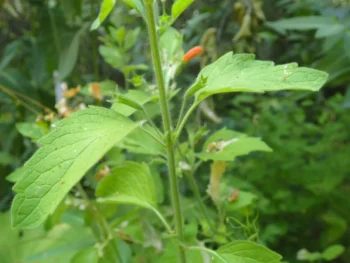
Monkeyflower Savory: A Rare California Native Worth Protecting in Your Garden
If you’re passionate about California native plants and conservation, monkeyflower savory (Clinopodium mimuloides) deserves a spot on your gardening radar. This charming perennial herb might not be the showiest plant in the garden, but it carries the important distinction of being both native to California and increasingly rare in the wild.
What Makes Monkeyflower Savory Special
Despite its common name suggesting a connection to monkeyflowers, this delightful plant is actually a member of the mint family. Monkeyflower savory is a true California native, found exclusively within the Golden State’s diverse landscapes. As a perennial forb, it returns year after year, developing a low-growing habit that makes it perfect for naturalistic garden settings.
The plant produces small, delicate flowers that range from white to pale pink, creating a subtle but charming display. Like many mint family members, the foliage releases a pleasant, aromatic scent when brushed against or crushed, adding a sensory dimension to your garden experience.
Where Monkeyflower Savory Grows Naturally
This California endemic has a limited natural range within the state, typically found in coastal and inland mountain regions. Its restricted distribution is part of what makes it so special – and so vulnerable.
- Species observed
- No observations
Important Conservation Consideration
Before you rush out to find monkeyflower savory for your garden, there’s something crucial you need to know: this plant has a Global Conservation Status of S3, meaning it’s considered vulnerable to extinction. With typically only 21 to 100 occurrences remaining and between 3,000 to 10,000 individuals in the wild, every plant matters.
This doesn’t mean you shouldn’t grow it – quite the opposite! Growing rare natives in home gardens can be an important conservation strategy. However, it’s absolutely essential that you source your plants responsibly from reputable native plant nurseries that propagate from legally and ethically collected seeds or cuttings.
Why Grow Monkeyflower Savory in Your Garden
Beyond its conservation value, monkeyflower savory offers several compelling reasons to include it in your landscape:
- True California native: Supports local ecosystems and requires minimal resources once established
- Pollinator magnet: Attracts native bees and other small pollinators that depend on native plants
- Drought tolerance: Perfect for water-wise California gardening
- Low maintenance: Requires minimal care once established
- Aromatic foliage: Adds fragrance to your garden experience
- Conservation impact: You’re helping preserve a vulnerable species
Growing Conditions and Care
Monkeyflower savory thrives in USDA hardiness zones 8-10, making it suitable for most of California’s climate regions. Here’s what this adaptable native needs to flourish:
Sunlight: Partial shade to full sun, though it appreciates some afternoon shade in hotter inland areas
Soil: Well-draining soil is essential – this plant doesn’t tolerate soggy conditions. It adapts to various soil types as long as drainage is good
Water: Moderate water during establishment, then drought-tolerant. Follow a Mediterranean watering pattern with deep, infrequent irrigation
Spacing: Allow adequate space for air circulation to prevent fungal issues common in mint family plants
Planting and Care Tips
Successfully growing monkeyflower savory starts with obtaining plants from reputable sources. Contact local native plant societies or specialized nurseries that focus on California natives.
Plant in fall or early winter to allow the root system to establish during the cool, wet season. This timing helps the plant develop drought tolerance before facing its first hot, dry summer.
Once established, minimal intervention is best. Light pruning after flowering can help maintain shape and potentially encourage additional blooms. Avoid heavy fertilization, as most California natives prefer lean soils.
Perfect Garden Companions
Monkeyflower savory works beautifully in native California gardens, drought-tolerant landscapes, and wildlife-friendly designs. Consider pairing it with other California natives like:
- California poppies for color contrast
- Native bunch grasses for texture
- Salvias for additional pollinator appeal
- Manzanitas for structure and year-round interest
Making a Conservation Difference
By choosing to grow monkeyflower savory, you’re participating in grassroots conservation efforts. Home gardens collectively represent millions of acres of potential habitat for native species. When you plant rare natives like monkeyflower savory, you’re creating refugia that can support both the species and the wildlife that depends on it.
Remember, the key to responsible cultivation of rare plants is always sourcing from ethical suppliers who propagate rather than wild-collect. Your garden can become part of the solution for preserving California’s unique botanical heritage, one rare native at a time.