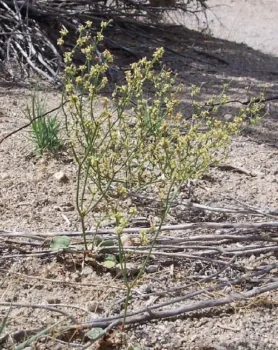
Mono Buckwheat: A Rare Gem for the Water-Wise Garden
Meet Mono buckwheat (Eriogonum ampullaceum), a charming little annual that’s as unique as its name suggests. This delicate native wildflower might not be the showiest plant in your garden, but it packs a punch when it comes to supporting local ecosystems and adding subtle beauty to water-wise landscapes.
Where Does Mono Buckwheat Call Home?
This special little plant is a true regional treasure, native to a very specific area of the American West. You’ll find Mono buckwheat naturally growing in California and Nevada, particularly around the eastern Sierra Nevada region. It’s perfectly adapted to the unique conditions of this high-desert environment, where summers are dry and winters can be surprisingly harsh.
- Species observed
- No observations
Important Conservation Note
Before we dive into growing tips, there’s something important you should know: Mono buckwheat is considered vulnerable, with a conservation status of S3. This means it’s rare and potentially at risk in its natural habitat. If you’re interested in growing this plant, please make sure to source seeds or plants only from reputable native plant suppliers who collect responsibly and ethically.
What Makes Mono Buckwheat Special?
Don’t let its humble appearance fool you – this little annual forb (that’s garden-speak for a non-woody flowering plant) is a pollinator magnet. Its small white to pinkish flowers cluster together in dense, rounded heads that create a delicate, almost lacy appearance in the garden. The flowers may be tiny, but they’re absolutely beloved by native bees, butterflies, and other small pollinators who appreciate the reliable nectar source.
As an annual, Mono buckwheat completes its entire life cycle in one growing season, but don’t worry – it’s quite good at self-seeding when conditions are right.
Perfect Spots for Mono Buckwheat in Your Garden
This plant is a natural choice for:
- Rock gardens where its low-growing habit can weave between stones
- Xeric (drought-tolerant) garden designs
- Native plant gardens focused on regional species
- Naturalized areas where you want to support local wildlife
- Areas with poor, sandy, or gravelly soil that challenge other plants
Growing Conditions That Make Mono Buckwheat Happy
Think high desert when planning where to plant Mono buckwheat. This tough little plant thrives in:
- Soil: Well-draining, sandy, or gravelly soils – it actually prefers poor soil over rich garden soil
- Sun exposure: Full sun is essential
- Water: Low water needs once established – this is definitely a plant it and forget it species
- Climate: Hardy in USDA zones 4-8, tolerating both cold winters and hot, dry summers
One of the best things about Mono buckwheat is that it’s facultative upland, meaning it usually grows in non-wetland areas but can occasionally tolerate wetter conditions. However, in the garden, it’s best to err on the dry side.
Planting and Care Tips
Growing Mono buckwheat is refreshingly simple, especially if you embrace its low-maintenance nature:
- When to plant: Direct seed in fall for best results, allowing natural winter stratification
- Planting depth: Barely cover seeds – they need light to germinate
- Watering: Provide minimal supplemental water during establishment, then rely on natural rainfall
- Fertilizing: Skip it entirely – this plant actually prefers nutrient-poor conditions
- Maintenance: Allow plants to go to seed naturally to encourage self-seeding for next year
Why Choose Mono Buckwheat?
If you’re looking for a low-maintenance native plant that supports local pollinators while requiring virtually no care, Mono buckwheat might be perfect for you. It’s especially valuable for gardeners who want to create habitat for native species while conserving water and working with challenging growing conditions.
However, remember that this plant’s rarity means it should be grown thoughtfully. By choosing to grow Mono buckwheat with responsibly sourced seeds, you’re not just adding an interesting plant to your garden – you’re participating in conservation efforts that help preserve this vulnerable species for future generations.
Plus, there’s something deeply satisfying about successfully growing a plant that’s perfectly adapted to your local climate and ecosystem. Mono buckwheat may be small and subtle, but it’s a true testament to the beauty and resilience of our native flora.