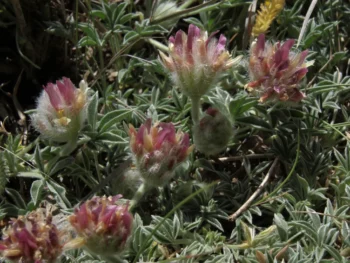
Mono Clover: A Rare Native Treasure for Western Gardens
Meet Mono clover (Trifolium andersonii monoense), a charming yet elusive member of the legume family that calls the mountainous regions of California and Nevada home. This perennial native might not be the showiest plant in your garden, but it carries the quiet dignity of a true regional specialty – and that’s exactly what makes it special.
What Makes Mono Clover Special?
Mono clover is what botanists call a forb herb – essentially a soft-stemmed perennial that lacks the woody growth of shrubs and trees. As a subspecies of Anderson’s clover, it represents a unique adaptation to the specific conditions of its native range. You might also encounter it listed under its scientific synonyms: Trifolium andersonii var. monoense or Trifolium monoense.
This isn’t your typical lawn clover. Mono clover is a genuine wildflower that has evolved alongside the native ecosystems of the Sierra Nevada and surrounding regions for thousands of years.
Where Does It Grow?
Mono clover has a relatively limited native range, naturally occurring in California and Nevada. This narrow distribution is part of what makes it such a special addition to gardens within its native territory.
- Species observed
- No observations
A Word About Rarity
Here’s something important to know: Mono clover has a Global Conservation Status of S4T3, indicating it’s considered uncommon to rare in its natural habitat. This means if you’re lucky enough to find this plant for your garden, make sure you’re sourcing it responsibly from reputable native plant nurseries or seed suppliers who propagate rather than wild-collect their stock.
Growing rare natives like Mono clover is actually a wonderful way to support conservation efforts – you’re essentially creating a refuge population in your own backyard while enjoying a truly unique regional specialty.
Should You Grow Mono Clover?
The case for planting it:
- It’s a true native that supports local ecosystem health
- As a legume, it naturally fixes nitrogen in the soil
- You’ll be growing something genuinely rare and special
- It connects your garden to the natural heritage of California and Nevada
- Perfect for gardeners who love collecting unusual natives
Consider this first:
- Limited availability due to its rarity status
- May require specific growing conditions that aren’t well-documented
- Not ideal if you’re looking for a bold, showy garden star
Growing Mono Clover: The Honest Truth
Here’s where we need to be upfront: detailed growing information for this specific subspecies is quite limited. Like many rare native subspecies, Mono clover hasn’t been extensively studied for garden cultivation. What we do know is that it’s adapted to the unique conditions of its native range in California and Nevada.
If you’re determined to try growing this special plant, your best bet is to:
- Contact local native plant societies in California or Nevada for growing tips
- Try to replicate the conditions of its natural habitat as closely as possible
- Start with small trials rather than large plantings
- Connect with other gardeners who may have experience with Anderson’s clover varieties
The Bottom Line
Mono clover represents the kind of gardening adventure that appeals to true native plant enthusiasts – those who value rarity, regional authenticity, and the satisfaction of successfully growing something genuinely special. While it may not be the easiest native to cultivate, it offers the unique reward of connecting your garden directly to the wild landscapes of the Sierra Nevada region.
If you can source it responsibly and you’re up for the challenge of growing a plant with limited cultivation information, Mono clover could become a true conversation piece in your native garden. Just remember: with great rarity comes great responsibility to source and grow it ethically.