Mono Draba: A Rare Alpine Gem Worth Protecting
If you’re drawn to rare and extraordinary native plants, Mono draba (Draba monoensis) might just capture your heart. This tiny but resilient perennial is one of California’s most precious alpine treasures, though growing it comes with important conservation considerations that every responsible gardener should understand.
What Makes Mono Draba Special
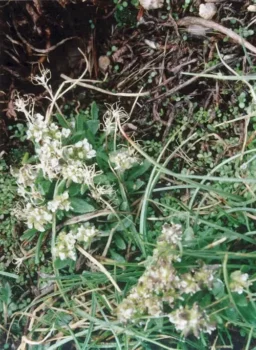
Mono draba is a charming little forb that forms compact cushions or mats close to the ground. Don’t let its diminutive size fool you – this hardy perennial has adapted to survive in some of California’s most challenging high-altitude environments. In late spring and early summer, it produces clusters of tiny white flowers that create a delicate carpet of blooms against rocky terrain.
As a true California native, Mono draba belongs exclusively to the Golden State’s high-elevation ecosystems. You’ll find this rare plant naturally growing in the Mono Lake region and throughout the eastern Sierra Nevada mountains, typically thriving at elevations between 8,000 and 12,000 feet or higher.
- Species observed
- No observations
A Plant That Needs Our Protection
Here’s where things get serious: Mono draba has a Global Conservation Status of S2, meaning it’s considered Imperiled. With typically only 6 to 20 known occurrences and fewer than 3,000 remaining individuals, this species faces extreme rarity and vulnerability to extinction. This conservation status is crucial information for any gardener considering adding this plant to their collection.
If you’re interested in growing Mono draba, only obtain plants or seeds from reputable native plant nurseries that use responsibly sourced, legally collected material. Never collect from wild populations, as this could further threaten the species’ survival.
Growing Conditions: Not for the Faint of Heart
Mono draba isn’t your typical garden plant – it’s an alpine specialist with very specific needs:
- Drainage: Excellent drainage is absolutely critical; soggy soil will quickly kill this plant
- Soil: Rocky, gravelly, or sandy soils that mimic its natural scree habitat
- Sun exposure: Full sun, though some afternoon shade in hot climates
- Temperature: Cool conditions; struggles in hot, humid environments
- USDA Zones: Approximately zones 4-7, with best success in cooler microclimates
Where Mono Draba Fits in Your Garden
This isn’t a plant for traditional flower borders or casual native plant gardens. Mono draba shines in specialized settings:
- Alpine and rock gardens: Perfect for recreating high-elevation mountain environments
- Scree gardens: Thrives among loose rocks and gravel
- Conservation gardens: Ideal for gardeners focused on preserving rare California natives
- Container culture: May be easier to manage in well-draining containers with specialized soil mixes
Planting and Care Tips
Successfully growing Mono draba requires attention to detail:
- Plant in a mixture of coarse sand, fine gravel, and minimal organic matter
- Ensure containers or planting areas have multiple drainage holes
- Water sparingly and only when soil is completely dry
- Provide protection from intense afternoon heat
- Consider creating a cool microclimate with strategic shading or elevation
- Avoid fertilizers, which can harm this adapted-to-poor-soils species
Supporting Pollinators and Wildlife
While specific pollinator relationships aren’t well-documented, Mono draba’s small white flowers likely attract tiny native pollinators adapted to high-elevation environments. By growing this plant responsibly, you’re not just adding beauty to your garden – you’re participating in conservation efforts that help preserve California’s unique alpine ecosystems.
Should You Grow Mono Draba?
This plant is perfect for dedicated native plant enthusiasts who:
- Have experience with challenging alpine plants
- Can provide proper growing conditions
- Are committed to conservation-minded gardening
- Want to support rare California natives
However, Mono draba might not be right for you if you’re looking for easy-care plants, live in hot or humid climates, or prefer showy garden displays.
Growing Mono draba is ultimately about more than gardening – it’s about participating in conservation. Every responsibly grown plant helps preserve the genetic diversity of this imperiled species while creating awareness about California’s remarkable but threatened alpine flora. If you’re up for the challenge, this rare beauty offers a unique opportunity to make a real difference for native plant conservation.