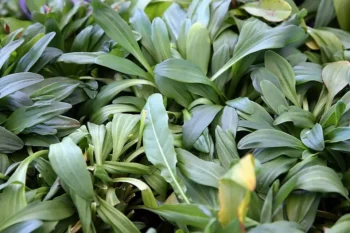
Monongahela Barbara’s Buttons: A Rare Appalachian Treasure for Your Native Garden
If you’re looking to add something truly special to your native plant collection, Monongahela Barbara’s buttons (Marshallia grandiflora) might just be the hidden gem you’ve been searching for. This charming perennial wildflower brings a unique beauty to gardens while supporting local ecosystems – but there’s an important conservation story you need to know first.
What Makes This Plant So Special?
Monongahela Barbara’s buttons is a native forb that produces distinctive white to pale pink flower heads that look like cheerful little buttons dotting the landscape. Unlike your typical daisy, these blooms have a unique charm with their prominent disc florets creating an almost pompom-like appearance. The flowers typically grace gardens from late spring through early summer, providing a delightful seasonal display.
As a perennial herb, this plant lacks woody tissue and returns year after year from buds at or below ground level. It’s the kind of reliable performer that established gardeners love – show up when expected, look great, and require minimal fuss.
Where Does It Call Home?
This Appalachian beauty is native to a relatively small range across six states: Kentucky, Maryland, North Carolina, Pennsylvania, Tennessee, and West Virginia. It’s perfectly adapted to the unique conditions of the Eastern Mountains and Piedmont regions, where it thrives in the transition zones between wetlands and upland areas.
- Species observed
- No observations
The Conservation Reality Check
Here’s where things get serious – Monongahela Barbara’s buttons carries a Global Conservation Status of S2, meaning it’s considered Imperiled. With typically only 6 to 20 occurrences remaining and possibly fewer than 3,000 individual plants in the wild, this species is extremely vulnerable to extinction.
What this means for gardeners: If you choose to grow this plant (and we hope you do!), it’s absolutely crucial to source it responsibly. Never collect plants from the wild, and only purchase from reputable native plant nurseries that propagate their own stock ethically.
Growing Conditions and Care
The good news is that Monongahela Barbara’s buttons isn’t particularly fussy once you understand its preferences. This adaptable plant has a Facultative wetland status, meaning it’s comfortable in both wet and dry conditions – perfect for those tricky spots in your garden that are sometimes soggy, sometimes dry.
Ideal Growing Conditions:
- USDA Hardiness Zones: 5-8
- Light: Partial shade to full sun
- Soil: Well-drained, tolerates various soil types
- Moisture: Adaptable to both moist and dry conditions
Planting and Care Tips:
- Plant in spring or fall for best establishment
- Apply organic mulch around plants to retain moisture and suppress weeds
- Once established, requires minimal maintenance
- Allow natural reseeding to occur for gradual population expansion
Garden Design and Landscape Role
Monongahela Barbara’s buttons shines in native plant gardens, woodland edges, and naturalized landscapes. Its unique flower form and blooming period make it an excellent companion for other Appalachian natives. Consider pairing it with wild ginger, trilliums, or native ferns for a authentic woodland feel.
This plant works beautifully in:
- Native plant gardens focused on regional flora
- Woodland gardens with dappled sunlight
- Rain gardens and bioswales
- Naturalized areas that mimic wild Appalachian habitats
Supporting Pollinators and Wildlife
Like most native plants, Monongahela Barbara’s buttons provides valuable resources for local wildlife. The nectar-rich flowers attract native bees, butterflies, and other beneficial insects during its blooming period. By growing this plant, you’re not just adding beauty to your garden – you’re providing crucial habitat for pollinators that depend on native plant relationships developed over thousands of years.
The Bottom Line: Should You Plant It?
Absolutely – but with a conservation mindset. Growing Monongahela Barbara’s buttons in your garden can contribute to the preservation of this imperiled species while bringing unique beauty to your landscape. The key is sourcing responsibly and treating each plant as the rare treasure it truly is.
By choosing to grow this special native plant, you become part of a conservation effort that extends far beyond your garden borders. You’re helping ensure that future generations can enjoy the simple pleasure of spotting these charming buttons blooming in both wild and cultivated spaces across Appalachia.
Remember: every responsibly grown Monongahela Barbara’s buttons plant is a small victory for biodiversity and a step toward preserving our native plant heritage.