Mountain Avens: A Rare Alpine Treasure Worth Protecting
If you’re drawn to rare alpine plants with a conservation story, mountain avens (Geum peckii) might capture your heart—though it should also inspire your caution. This diminutive perennial represents one of North America’s most endangered wildflowers, clinging to existence in just a handful of high-elevation locations.
What Makes Mountain Avens Special
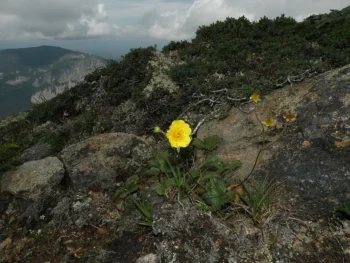
Mountain avens is a small but mighty perennial forb that belongs to the rose family. Despite its delicate appearance, this hardy plant has adapted to some of the harshest growing conditions imaginable. With its bright yellow, five-petaled flowers and low-growing habit, it creates charming displays in its native alpine wetland habitats.
You might also encounter this plant referenced by its botanical synonyms Acomastylis peckii or Sieversia peckii in older botanical literature, reflecting the ongoing scientific understanding of its classification.
Where Mountain Avens Calls Home
This remarkable plant has one of the most restricted ranges of any North American wildflower. Mountain avens grows naturally in only two locations: the high peaks of New Hampshire’s White Mountains and select sites in Nova Scotia, Canada. This extremely limited distribution makes it a true geographic rarity.
- Species observed
- No observations
A Conservation Priority
Here’s where things get serious: mountain avens carries a Global Conservation Status of S2, meaning it’s imperiled. With typically only 6 to 20 known occurrences and an estimated 1,000 to 3,000 individuals remaining in the wild, this plant teeters on the edge of extinction. Climate change, habitat disturbance, and collection pressure all threaten its survival.
Important: If you’re considering growing mountain avens, please only source plants or seeds from reputable nurseries that use responsibly propagated material—never collect from wild populations.
Growing Conditions: Not for the Faint of Heart
Mountain avens isn’t your typical garden perennial. As an obligate wetland plant, it almost always occurs in consistently moist conditions. In the wild, it thrives in:
- Cool, acidic soils with excellent drainage despite constant moisture
- High elevation conditions (typically above 4,000 feet)
- Full sun to partial shade
- USDA hardiness zones 3-5
- Alpine or subalpine climates with cool summers
Garden Applications
If you can provide the right conditions, mountain avens works beautifully in:
- Specialized alpine rock gardens with consistent moisture
- Conservation gardens focused on rare native plants
- Cool-climate wetland gardens
- Educational displays about plant conservation
Its low-growing habit and bright yellow blooms make it an excellent companion for other alpine wetland plants, though finding compatible species can be challenging given its specific requirements.
Planting and Care Tips
Successfully growing mountain avens requires recreating its demanding natural habitat:
- Provide consistently moist but well-draining, acidic soil
- Ensure cool growing conditions—this plant struggles in hot climates
- Offer protection from intense afternoon sun in warmer areas
- Maintain steady moisture without waterlogging
- Consider container growing in cooler climates for better control
Benefits to Wildlife
In its native habitat, mountain avens supports specialized pollinators including small native bees and alpine flies. Its flowers provide crucial nectar sources in harsh mountain environments where few other plants bloom.
Should You Grow Mountain Avens?
The honest answer? Probably not, unless you’re deeply committed to conservation and have ideal growing conditions. This plant’s extreme rarity means it’s better suited for botanical gardens, research institutions, and dedicated conservation gardeners rather than typical home landscapes.
If you’re drawn to rare alpine plants but want more accessible options, consider other native Geum species or alpine plants that aren’t critically imperiled. Your local native plant society can suggest alternatives that provide similar aesthetic appeal without the conservation concerns.
However, if you’re passionate about plant conservation and can provide the specialized care mountain avens requires, growing responsibly sourced plants contributes to preservation efforts and helps maintain genetic diversity outside of wild populations.
The Bottom Line
Mountain avens represents both the beauty and fragility of our native flora. While it’s not a plant for every garden, it serves as an important reminder of what we stand to lose and why supporting native plant conservation matters. Whether you choose to grow it or simply appreciate it from afar, this rare alpine gem deserves our respect and protection.