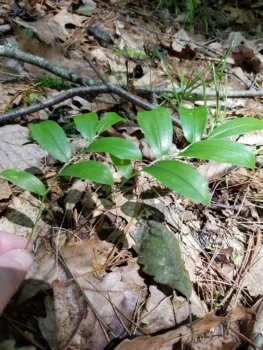
Mountain Bellwort: A Delicate Native Treasure for Shade Gardens
If you’re looking to add a touch of woodland elegance to your shade garden, mountain bellwort might just be the perfect native plant you’ve been searching for. This charming perennial brings subtle beauty and ecological value to any landscape, though it comes with some important considerations every gardener should know.
What is Mountain Bellwort?
Mountain bellwort (Uvularia puberula) is a native perennial forb that belongs to the lily family. Unlike woody shrubs or trees, this herbaceous plant dies back to the ground each winter and emerges fresh each spring. You might also encounter it under various scientific synonyms including Oakesiella puberula or Uvularia carolina, but they all refer to the same delightful woodland plant.
Where Does Mountain Bellwort Grow Naturally?
This native beauty calls the eastern United States home, naturally occurring across twelve states: Alabama, Georgia, Kentucky, Maryland, New Jersey, New York, North Carolina, Pennsylvania, South Carolina, Tennessee, Virginia, and West Virginia. It’s particularly fond of the Appalachian regions and coastal plains.
- Species observed
- No observations
Important Rarity Considerations
Before you rush to plant mountain bellwort, there’s something crucial to know: this plant is considered rare in certain regions. In New Jersey’s Pine Barrens, it’s listed as endangered with special protections in both Pinelands and Highlands areas. If you choose to grow this native gem, please ensure you source it from reputable nurseries that propagate their plants responsibly rather than collecting from wild populations.
Why Grow Mountain Bellwort?
Despite its rarity concerns, mountain bellwort offers several compelling reasons for inclusion in your garden:
- Beautiful drooping, bell-shaped yellow flowers that bloom in spring
- Attractive heart-shaped leaves that provide texture throughout the growing season
- Native plant that supports local ecosystems and wildlife
- Excellent choice for woodland and shade gardens
- Provides nectar for native bees and other small pollinators
- Low-maintenance once established
Perfect Garden Situations
Mountain bellwort shines in several garden settings:
- Woodland gardens: Creates natural-looking understory groundcover
- Shade gardens: Thrives where many other plants struggle
- Native plant gardens: Authentic regional flora
- Naturalized areas: Blends seamlessly into natural landscapes
Growing Conditions and Care
Mountain bellwort is surprisingly adaptable to different moisture conditions. In coastal areas, it can handle both wet and dry sites, while in mountainous and northern regions, it typically prefers drier, well-draining soils.
For best results, provide:
- Light: Partial to full shade
- Soil: Moist, well-draining soil with acidic to neutral pH
- Hardiness: Zones 4-8
- Water: Consistent moisture, but avoid waterlogged conditions
Planting and Care Tips
Getting started with mountain bellwort is relatively straightforward:
- Plant in spring or fall when temperatures are moderate
- Apply a layer of organic mulch to retain soil moisture
- Water regularly the first year to establish roots
- Once established, this native requires minimal maintenance
- Allow the plant to naturalize and spread gradually
The Bottom Line
Mountain bellwort is a wonderful addition to shade gardens for those who appreciate subtle beauty and want to support native ecosystems. While its rarity status requires responsible sourcing, this charming woodland plant rewards gardeners with delicate spring flowers, attractive foliage, and the satisfaction of growing a true regional native. Just remember: always purchase from reputable nurseries that propagate their plants rather than wild-collect them.
If you can provide the right conditions and source it responsibly, mountain bellwort will bring years of quiet elegance to your shade garden while supporting local wildlife and preserving this special native species for future generations.