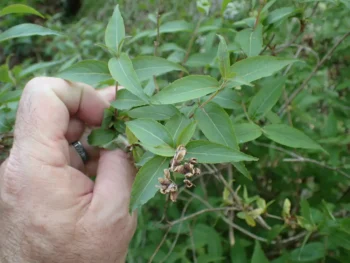
Mountain Bush Honeysuckle: A Hidden Gem for Southeastern Gardens
If you’re looking for a native shrub that’s both beautiful and beneficial, let me introduce you to mountain bush honeysuckle (Diervilla rivularis). This charming little plant might not be on everyone’s radar, but it deserves a spot in more gardens across the Southeast.
What is Mountain Bush Honeysuckle?
Mountain bush honeysuckle is a native perennial shrub that typically grows as a multi-stemmed woody plant, usually staying under 13-16 feet in height (though most specimens are much smaller). Don’t let the honeysuckle name fool you into thinking this is related to those invasive vines we’re always battling – this is a well-behaved native that plays nicely with others in the garden.
Where Does It Call Home?
This southeastern native makes its home in Alabama, Georgia, North Carolina, and Tennessee. As its name suggests, you’ll find it naturally occurring in mountainous regions of these states, where it has adapted to thrive in woodland understories and rocky slopes.
- Species observed
- No observations
Why You Should (Carefully) Consider Growing It
Here’s where things get interesting – and important. Mountain bush honeysuckle has a Global Conservation Status of S3, meaning it’s considered vulnerable. In Alabama, it’s even rarer with an S2 status. This means that while it’s a fantastic plant to grow, you absolutely must source it responsibly from reputable native plant nurseries or propagate it ethically if you’re lucky enough to have access to it.
So why grow it despite its rarity? Because native plants like this one are exactly what our local ecosystems need more of, and responsible cultivation can actually help preserve the species.
Garden Appeal and Landscape Role
Mountain bush honeysuckle brings subtle beauty to the garden with its small yellow tubular flowers that appear in late spring and early summer. These blooms are magnets for bees, butterflies, and other small pollinators – a win for anyone trying to create a pollinator-friendly space. In fall, the deciduous foliage often takes on attractive reddish tones.
This shrub really shines in these garden settings:
- Woodland gardens and naturalized areas
- Native plant landscapes
- Shade gardens where other plants struggle
- Erosion control on slopes
- Understory plantings beneath taller trees
Growing Conditions and Care
One of the best things about mountain bush honeysuckle is how low-maintenance it is once established. It’s adapted to USDA hardiness zones 5-8, making it suitable for most of the Southeast and beyond.
Here’s what it prefers:
- Partial shade to full shade (perfect for those tricky shady spots)
- Moist but well-draining soil
- Various soil types, including rocky or poor soils
- Once established, it’s quite drought tolerant
Planting and Care Tips
The good news is that this native doesn’t ask for much fuss. Plant it in spring or fall, water it regularly during its first season to help it establish, and then largely leave it alone. It spreads by underground rhizomes, so it can naturally fill in an area over time – just keep an eye on it if you need to control its spread with occasional pruning.
A Responsible Choice
Mountain bush honeysuckle represents the best of native gardening – a plant that supports local wildlife, requires minimal care once established, and adds quiet beauty to the landscape. Just remember that because of its vulnerable status, sourcing responsibly isn’t just recommended, it’s essential. Look for nurseries that specialize in native plants and can verify their plants are ethically propagated, not wild-collected.
By choosing plants like mountain bush honeysuckle, you’re not just creating a beautiful garden – you’re participating in conservation, one thoughtfully chosen plant at a time.