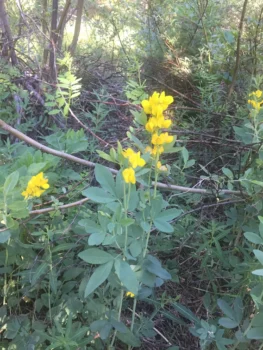
Mountain Goldenbanner: A Cheerful Native Wildflower for Western Gardens
If you’re looking to add a splash of sunshine to your native garden, mountain goldenbanner might just be your new best friend. This delightful perennial wildflower brings both beauty and ecological benefits to landscapes across the American West, making it a fantastic choice for gardeners who want to support local wildlife while enjoying gorgeous blooms.
What is Mountain Goldenbanner?
Mountain goldenbanner (Thermopsis montana) is a native perennial forb that calls the western United States home. As a forb, it’s a non-woody plant that dies back to the ground each winter but returns reliably year after year. This cheerful wildflower produces striking yellow, pea-like flowers arranged in tall, showy spikes that can’t help but catch your eye.
Being native to the lower 48 states gives mountain goldenbanner serious credibility in the native gardening world. It’s perfectly adapted to western growing conditions and has co-evolved with local wildlife over thousands of years.
Where Does It Grow Naturally?
Mountain goldenbanner has quite an impressive range across the western states. You’ll find it growing wild in Arizona, Colorado, Idaho, Montana, Nevada, New Mexico, Oregon, Utah, Washington, and Wyoming. This wide distribution tells us it’s a pretty adaptable plant that can handle various conditions across different elevations and climates.
- Species observed
- No observations
Why Plant Mountain Goldenbanner?
There are plenty of reasons to fall in love with this native beauty:
- Stunning spring display: The bright yellow flower spikes create a spectacular show in late spring to early summer
- Pollinator magnet: Bees, butterflies, and other beneficial insects flock to its nectar-rich blooms
- Low maintenance: Once established, it’s quite drought tolerant and requires minimal care
- Wildlife support: As a native plant, it provides essential habitat and food sources for local wildlife
- Versatile placement: Works beautifully in wildflower gardens, naturalized areas, and slopes needing stabilization
Growing Conditions and Care
Mountain goldenbanner is refreshingly easy to grow, especially if you’re gardening in zones 3-8. Here’s what this adaptable native prefers:
- Sunlight: Full sun to partial shade (though it blooms best in full sun)
- Soil: Well-draining soil is essential – it won’t tolerate soggy conditions
- Water: Drought tolerant once established, but appreciates occasional deep watering during dry spells
- Soil type: Adapts to various soil types, from sandy to rocky
Planting and Establishment Tips
Getting mountain goldenbanner started in your garden is straightforward:
- Plant in spring or fall when temperatures are moderate
- Choose a location with good drainage – this is non-negotiable
- Water regularly during the first growing season to help establish a strong root system
- Once established, step back and let it do its thing – it’s quite self-sufficient
- Be patient – like many natives, it may take a year or two to really hit its stride
Design Ideas and Garden Placement
Mountain goldenbanner shines in several garden settings:
- Native plant gardens: Perfect companion to other western wildflowers
- Xeriscapes: Excellent choice for water-wise landscaping
- Slope stabilization: Its spreading habit helps prevent erosion
- Mountain gardens: Right at home in high-elevation landscapes
- Pollinator gardens: A must-have for supporting native bees and butterflies
Special Considerations
Mountain goldenbanner has a facultative wetland status in western regions, meaning it can handle both wet and dry conditions. This flexibility makes it particularly valuable for areas that experience seasonal moisture changes or for gardeners dealing with variable rainfall.
Keep in mind that this plant may spread via underground rhizomes, so give it space to naturalize if you want a more informal look, or be prepared to manage its spread in more formal settings.
The Bottom Line
Mountain goldenbanner is a winner for western native plant enthusiasts. It’s beautiful, supports local ecosystems, requires minimal fussing once established, and brings that coveted wild look to cultivated gardens. Whether you’re creating a dedicated native plant garden or just want to add some regional character to your landscape, this cheerful yellow wildflower delivers on all fronts.
Plus, there’s something deeply satisfying about growing plants that truly belong in your area – mountain goldenbanner isn’t just surviving in your garden, it’s thriving exactly where nature intended it to be.