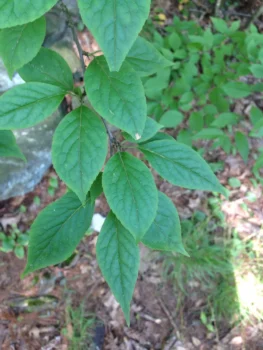
Mountain Holly: A Rare Native Gem for Woodland Gardens
If you’re looking to add a touch of wilderness charm to your shade garden while supporting native biodiversity, mountain holly (Ilex montana) might just be the perfect shrub for your landscape. This deciduous holly species brings year-round interest to woodland settings, but there’s an important conservation story that every gardener should know before planting.
What Makes Mountain Holly Special
Mountain holly is a native perennial shrub that typically grows 6-10 feet tall and wide, though it can reach up to 16 feet under ideal conditions. Unlike its evergreen holly cousins, this species drops its leaves each fall, but not before putting on a lovely yellow autumn display. The oval, serrated leaves create a fine-textured backdrop for small, creamy white flowers that appear in late spring.
The real showstopper comes in fall and winter when female plants produce clusters of brilliant red berries that persist well into the cold months, creating stunning contrast against bare branches and winter landscapes.
Where Mountain Holly Calls Home
This native beauty naturally occurs across fifteen states in the eastern United States, including Alabama, Connecticut, Georgia, Kentucky, Maryland, Massachusetts, New Jersey, New York, North Carolina, Pennsylvania, South Carolina, Tennessee, Virginia, and West Virginia. You’ll typically find it growing in mountainous regions and woodland areas from the Southeast up through New England.
- Species observed
- No observations
A Conservation Concern Worth Noting
Here’s where things get important for responsible gardeners: mountain holly is listed as endangered in New Jersey and considered rare in several parts of its range. This means if you choose to grow this beautiful native, you absolutely must source your plants from reputable native plant nurseries that propagate their stock rather than collecting from wild populations.
By choosing responsibly sourced mountain holly, you’re actually helping conservation efforts by creating genetic diversity in cultivation while protecting wild populations.
Perfect Spots for Mountain Holly in Your Garden
Mountain holly thrives in partial to full shade, making it an excellent choice for:
- Woodland gardens and naturalized areas
- Understory plantings beneath mature trees
- Native plant gardens and wildlife habitats
- Shrub borders in shadier locations
- Rain gardens and areas with consistent moisture
Its wetland status varies by region – it can handle both wetland and upland conditions in coastal areas, but generally prefers well-draining upland sites in most of its range.
Growing Mountain Holly Successfully
Mountain holly is surprisingly easy to grow once you understand its preferences. This shrub is hardy in USDA zones 4-8 and adapts to various soil types, though it performs best in acidic, organic-rich soil with consistent moisture.
Planting Tips:
- Choose a partially shaded location with morning sun and afternoon shade
- Ensure soil drains well but doesn’t dry out completely
- Plant both male and female plants if you want those gorgeous red berries
- Space plants 6-8 feet apart to allow for mature spread
- Apply a 2-3 inch layer of organic mulch around the base
Ongoing Care:
- Water regularly during the first two years to establish deep roots
- Maintain consistent soil moisture but avoid waterlogging
- Minimal pruning needed – just remove dead or damaged branches
- Feed with organic compost or a balanced, slow-release fertilizer in spring
Wildlife and Pollinator Benefits
Mountain holly pulls double duty as both an ornamental and wildlife plant. The small white flowers attract bees and other pollinators during bloom time, while the bright red berries provide crucial winter food for birds including thrushes, cedar waxwings, and various songbird species.
The dense branching structure also offers nesting sites and shelter for small birds and beneficial insects throughout the growing season.
Should You Plant Mountain Holly?
If you have the right growing conditions and can source plants responsibly, mountain holly makes an excellent addition to shade gardens and native landscapes. Its combination of attractive foliage, pollinator-friendly flowers, wildlife-supporting berries, and conservation value makes it a rewarding choice for environmentally conscious gardeners.
Just remember: always purchase from nurseries that propagate their own plants rather than wild-collecting, and consider this species as part of a broader native plant palette that supports local ecosystems. Your shade garden – and local wildlife – will thank you for it!