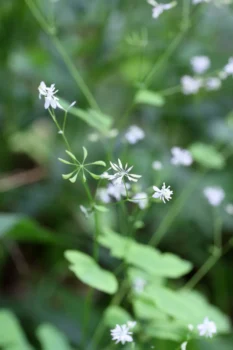
Mountain Meadow-Rue: A Delicate Native Beauty for Your Shade Garden
If you’re looking to add some ethereal charm to your shady garden spots, mountain meadow-rue (Thalictrum clavatum) might just be the native gem you’ve been searching for. This delicate perennial brings a touch of woodland magic to any landscape with its feathery foliage and graceful presence.
What Makes Mountain Meadow-Rue Special?
Mountain meadow-rue is a true American native, calling the southeastern United States home. You’ll find this lovely plant naturally growing across Alabama, Georgia, Kentucky, North Carolina, South Carolina, Tennessee, Virginia, and West Virginia. As a herbaceous perennial, it returns year after year, gradually establishing itself as a reliable garden companion.
- Species observed
- No observations
What sets this plant apart is its delicate, almost fairy-like appearance. The compound leaves create an airy, textured backdrop that adds depth to garden beds without overwhelming other plants. It’s the kind of plant that makes you lean in closer to appreciate its subtle beauty.
Where Does Mountain Meadow-Rue Thrive?
This native beauty has some specific preferences that make it perfect for certain garden situations:
- Moisture: As a facultative wetland plant, mountain meadow-rue enjoys consistently moist (but not waterlogged) soil
- Light: Partial to full shade conditions suit it best
- Climate: Hardy in USDA zones 5-8, making it suitable for most of its native range
- Soil: Prefers organic-rich, well-draining soil
Perfect Garden Roles
Mountain meadow-rue excels in several garden settings:
- Woodland gardens: Its natural habitat makes it perfect for naturalized shade areas
- Native plant gardens: A wonderful addition to regionally appropriate plant collections
- Understory plantings: Works beautifully beneath larger trees and shrubs
- Rain gardens: Its wetland status makes it suitable for areas with occasional standing water
Wildlife and Pollinator Benefits
While mountain meadow-rue may look delicate, it’s a hardworking member of the ecosystem. Its small flowers provide nectar for various pollinators, including small bees and beneficial insects. By choosing native plants like this one, you’re supporting local wildlife and helping maintain the natural food web that our native creatures depend on.
Growing Mountain Meadow-Rue Successfully
The good news is that mountain meadow-rue is relatively low-maintenance once established. Here are some tips for success:
- Site selection: Choose a spot with partial to full shade and naturally moist soil
- Soil preparation: Amend heavy clay or sandy soils with organic matter like compost
- Watering: Keep soil consistently moist, especially during dry spells
- Maintenance: Minimal care needed once established; may self-seed in favorable conditions
Is Mountain Meadow-Rue Right for Your Garden?
Consider planting mountain meadow-rue if you:
- Have shady, moist areas that need interesting texture
- Want to support native wildlife and pollinators
- Prefer low-maintenance perennials
- Live within its native range and want regionally appropriate plants
- Enjoy subtle, naturalistic garden design
However, this might not be the best choice if you’re looking for bold, showy flowers or need plants for hot, dry, sunny locations.
The Bottom Line
Mountain meadow-rue offers gardeners a chance to grow a truly regional native plant that supports local ecosystems while adding delicate beauty to shade gardens. Its adaptability to moist conditions makes it particularly valuable for those tricky wet spots that many plants struggle with. While it may not be the showiest plant in your garden, its quiet elegance and ecological value make it a worthy addition to any native plant collection.
By choosing mountain meadow-rue, you’re not just adding a plant to your garden—you’re preserving a piece of southeastern American natural heritage right in your own backyard.