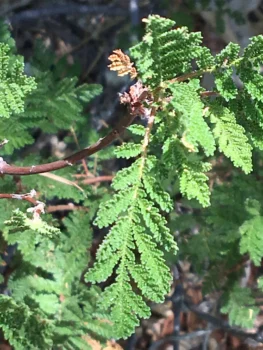
Mountain Misery: California’s Aromatic Native Groundcover
If you’ve ever hiked through the Sierra Nevada foothills and caught a whiff of something sweetly aromatic underfoot, you’ve likely encountered mountain misery. Despite its rather unflattering name, this California native shrub is actually a garden treasure that deserves serious consideration for your landscape.
What Is Mountain Misery?
Mountain misery (Chamaebatia foliolosa) is a perennial shrub native to California’s Sierra Nevada region. This multi-stemmed woody plant typically stays under 4-5 feet tall, making it perfect for groundcover applications. Don’t let the common name fool you – while early settlers may have found its sticky, resinous foliage bothersome on their clothing, modern gardeners appreciate its unique charm and ecological benefits.
Where Does It Grow Naturally?
This California endemic is found exclusively in the Golden State, primarily in the Sierra Nevada foothills and mountains. You’ll spot it growing naturally in areas with well-draining soils and plenty of sunshine, often forming dense carpets across the forest floor.
- Species observed
- No observations
Why Consider Mountain Misery for Your Garden?
There are several compelling reasons to add this native beauty to your landscape:
- Aesthetic Appeal: Delicate, fern-like foliage creates beautiful texture, while clusters of small white flowers add seasonal interest
- Aromatic Experience: The leaves release a pleasant, sweet fragrance when brushed against
- Pollinator Magnet: Bees and other beneficial insects love the abundant white blooms
- Low Maintenance: Once established, it requires minimal care and is quite drought tolerant
- Erosion Control: Its spreading nature makes it excellent for stabilizing slopes
Important Conservation Note
Mountain misery has a conservation status that requires attention. If you’re planning to add this plant to your garden, make sure you source it from reputable native plant nurseries that propagate their own stock rather than wild-collecting. This helps protect wild populations while still allowing you to enjoy this wonderful native.
Growing Conditions and Requirements
Mountain misery thrives in USDA hardiness zones 7-9 and prefers conditions similar to its natural habitat:
- Sunlight: Full sun to partial shade
- Soil: Well-draining soils; adaptable to various soil types but avoid heavy clay or waterlogged conditions
- Water: Drought tolerant once established, but benefits from occasional deep watering during dry spells
- Space: Can spread aggressively, so give it room or be prepared to manage its growth
Perfect Garden Applications
Mountain misery shines in several landscape scenarios:
- Native California gardens: Pairs beautifully with manzanita, ceanothus, and other Sierra Nevada natives
- Xeriscape designs: Excellent for water-wise landscaping
- Slope stabilization: Its spreading habit helps prevent erosion on hillsides
- Naturalistic landscapes: Creates authentic California foothill ambiance
Planting and Care Tips
Getting mountain misery established is relatively straightforward:
- Plant in fall or early spring for best establishment
- Improve drainage in heavy soils by adding compost or planting on a slight mound
- Water regularly the first year, then reduce frequency as the plant establishes
- Minimal pruning needed – just remove any dead or damaged growth
- Be aware that it can spread vigorously, so plan accordingly or install root barriers if needed
A Few Considerations
While mountain misery has many benefits, keep these points in mind:
- It can be an aggressive spreader, so it may not be suitable for small, formal gardens
- The sticky foliage can transfer to clothing and pets
- It’s adapted to California’s climate and may not perform well in areas with high humidity or frequent summer rainfall
The Bottom Line
Mountain misery is a fantastic choice for California gardeners looking to create authentic, low-maintenance native landscapes. Its aromatic foliage, pollinator-friendly flowers, and drought tolerance make it a valuable addition to the right garden setting. Just remember to source it responsibly and give it the space it needs to spread and thrive. Your local bees – and your water bill – will thank you!