Mountain Nailwort: A Tiny Native Gem for Rock Gardens and Natural Landscapes
If you’re looking for a charming little native wildflower that won’t demand much attention but still adds authentic character to your garden, mountain nailwort (Paronychia montana) might be just what you need. This petite annual herb is one of those understated beauties that native plant enthusiasts love to discover tucked into rock crevices and dry slopes.
What is Mountain Nailwort?
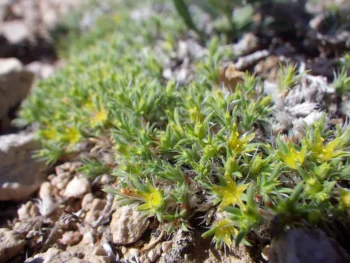
Mountain nailwort is a small annual forb—essentially a non-woody flowering plant—that typically grows just 2 to 8 inches tall. Don’t let its modest size fool you; this little plant packs plenty of native charm. It produces tiny white to greenish flowers clustered in dense, rounded heads at the tips of its stems, creating a delicate, almost lace-like appearance. The narrow, opposite leaves add to its fine-textured look.
You might also see this plant listed under its botanical synonyms, including Anychiastrum montanum or various Paronychia fastigiata varieties, but they all refer to the same delightful little wildflower.
Native Range and Distribution
Mountain nailwort is truly American-made, native to the lower 48 states with a particular fondness for the eastern regions. You’ll find it naturally growing across Alabama, Georgia, Maryland, New Jersey, North Carolina, Pennsylvania, South Carolina, Tennessee, Virginia, and West Virginia. As its name suggests, this plant has a special affinity for mountainous and elevated areas.
- Species observed
- No observations
Important Conservation Note
Before you rush out to find seeds, there’s something important to know: mountain nailwort has a rarity status in New Jersey, where it’s listed as Highlands Listed, SH. This means if you’re interested in growing this native beauty, please make sure you source your seeds or plants from reputable native plant nurseries that practice responsible collection methods. Never collect from wild populations!
Why Grow Mountain Nailwort?
There are several compelling reasons to consider adding mountain nailwort to your native plant collection:
- Truly native: Supporting local ecosystems by growing plants that naturally belong in your region
- Low maintenance: Once established, this annual largely takes care of itself
- Pollinator support: While small, the flowers attract tiny beneficial insects and small native bees
- Authentic character: Adds genuine wild beauty to naturalized areas
- Self-seeding: Will likely return year after year in suitable conditions
Perfect Garden Settings
Mountain nailwort isn’t the star of a formal flower border, but it absolutely shines in the right setting. Consider it for:
- Rock gardens and stone walls
- Native plant gardens
- Naturalized areas and wildflower meadows
- Dry slopes and hillsides
- Areas where you want authentic regional character
Growing Conditions and Care
One of mountain nailwort’s best qualities is how easygoing it can be. This plant thrives in:
- Soil: Well-drained, sandy, or rocky soils (avoid heavy, wet clay)
- Light: Full sun to partial shade
- Water: Drought tolerant once established; actually prefers drier conditions
- Climate: Hardy in USDA zones 5-8
Planting and Care Tips
Growing mountain nailwort is refreshingly straightforward:
- Seeding: Direct sow seeds in fall or early spring when temperatures are cool
- Soil prep: Ensure good drainage—this is crucial for success
- Spacing: Since it’s small, you can sow seeds fairly densely
- Watering: Water lightly until germination, then let nature take over
- Maintenance: Practically none needed—let it self-seed for future years
The Bottom Line
Mountain nailwort may not win any awards for showiness, but it’s exactly the kind of authentic, low-fuss native plant that makes naturalized gardens feel genuinely wild and regionally appropriate. If you have a rock garden, dry slope, or naturalized area where you want to add some native character without a lot of work, mountain nailwort could be a perfect fit.
Just remember to source your seeds responsibly, especially given its rarity status in some areas. Your local native plant society or reputable native plant nurseries are your best bets for finding ethically sourced seeds. Once you get it established, you’ll likely have this charming little wildflower returning year after year, quietly adding its understated beauty to your native landscape.