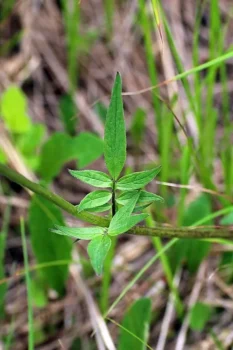
Mountain Valerian: A Fragrant Native for Your Wetland Garden
If you’ve been dreaming of creating a wetland garden or restoring a boggy corner of your property, meet your new best friend: mountain valerian (Valeriana uliginosa). This charming native perennial might not be the showiest plant in the garden center, but what it lacks in flashy blooms, it more than makes up for in ecological value and sweet fragrance.
What Is Mountain Valerian?
Mountain valerian is a hardy perennial forb that’s perfectly at home in North America’s wettest spots. As a true native species, it naturally occurs across a impressive range including New Brunswick, Ontario, Quebec, and numerous U.S. states from Maine to Wisconsin, and south through the Great Lakes region.
Don’t let the name fool you – while it’s called mountain valerian, this plant is just as happy in lowland bogs and wetlands. In fact, it’s classified as an obligate wetland species, meaning it almost always needs wet conditions to thrive.
- Species observed
- No observations
Why Plant Mountain Valerian?
Here’s where mountain valerian really shines: it’s a native plant that serves multiple purposes in your landscape while supporting local ecosystems.
- Authentic native beauty: Creates genuine habitat that’s been part of North American ecosystems for thousands of years
- Pollinator magnet: The small, fragrant white to pale pink flower clusters attract a variety of beneficial insects
- Low maintenance: Once established in the right conditions, it pretty much takes care of itself
- Wetland specialist: Perfect for rain gardens, bog gardens, or any consistently moist areas
- Wildlife support: Provides food and habitat for native insects and other small creatures
Garden Design and Landscape Uses
Mountain valerian isn’t your typical border perennial – it’s a specialist that excels in specific garden situations. Consider it for:
- Rain gardens: Helps manage stormwater while looking lovely
- Bog gardens: Perfect companion for other wetland natives
- Natural areas: Ideal for restoration projects or naturalizing wet spots
- Pond edges: Creates a natural transition from water to dry land
The plant forms neat clumps with attractive compound leaves and produces clusters of tiny, sweetly scented flowers that add a delicate touch to wetland plantings.
Growing Conditions and Care
Here’s the key to success with mountain valerian: think wet, wet, wet! This plant has very specific needs, but meet them and you’ll have a happy, thriving addition to your garden.
Moisture requirements: Consistently moist to wet soil is absolutely essential. This isn’t a plant that tolerates drought – not even for short periods.
Light conditions: Full sun to partial shade works well, though it can handle more shade than many wetland plants.
Soil preferences: Adaptable to various soil types as long as they stay consistently moist. Bog-like conditions are ideal.
Hardiness: Thrives in USDA zones 3-7, making it suitable for most northern and mountainous regions.
Planting and Maintenance Tips
Getting mountain valerian established is straightforward if you can provide the right conditions:
- Site selection: Choose the wettest spot in your yard – that low area that always stays soggy is perfect
- Planting time: Spring or early fall work best
- Spacing: Allow room for natural spreading in clumps
- Watering: If you can keep it consistently wet, you’re golden. Irrigation may be needed during dry spells
- Fertilizing: Generally unnecessary – wetland plants are adapted to lower-nutrient conditions
- Maintenance: Minimal once established. Dead-heading isn’t necessary unless you want to prevent self-seeding
Is Mountain Valerian Right for Your Garden?
Mountain valerian is definitely a specialty plant with specific requirements. It’s perfect if you:
- Have consistently wet or boggy areas in your landscape
- Want to create authentic native habitat
- Are interested in wetland restoration or rain garden projects
- Appreciate subtle beauty and sweet fragrance
- Want low-maintenance plants that support local ecosystems
However, it might not be the best choice if you have only typical garden conditions with well-draining soil, or if you’re looking for showy, long-blooming flowers.
The Bottom Line
Mountain valerian might be a bit of a wallflower compared to flashier garden favorites, but for the right situation, it’s absolutely perfect. This native wetland specialist offers authentic ecological value, supports pollinators, and brings sweet fragrance to bog gardens and rain gardens. If you have the wet conditions it craves, mountain valerian will reward you with years of low-maintenance beauty while supporting the local ecosystem that’s been counting on plants like this for millennia.
Ready to embrace your inner bog gardener? Mountain valerian might just be the perfect place to start!