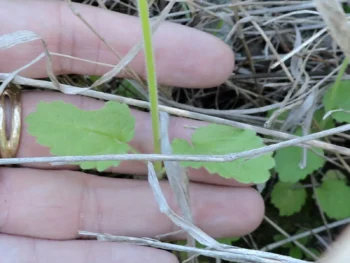
Mousesear: A Hidden Gem Among Native Wildflowers
If you’re on the hunt for lesser-known native plants to add diversity to your garden, mousesear (Stachys crenata) might just be the understated beauty you’ve been seeking. This charming little forb belongs to the mint family and offers gardeners a chance to cultivate something truly special – a native wildflower that’s often overlooked but deserves a spot in conservation-minded landscapes.
What Makes Mousesear Special?
Mousesear is a true American native, naturally occurring across several states in the lower 48. Unlike many of the showier garden plants we’re accustomed to, this humble forb represents the quiet resilience of our native flora. As a non-woody vascular plant, it can live as an annual, biennial, or perennial depending on growing conditions, making it quite adaptable to different garden situations.
Where Does Mousesear Grow Naturally?
You’ll find mousesear growing wild across a fascinating range of states: Alabama, Arizona, Florida, Kentucky, Louisiana, Mississippi, and Texas. This distribution tells us quite a story – this little plant has adapted to thrive in diverse climates from the humid Southeast to the arid Southwest.
- Species observed
- No observations
A Word About Rarity
Here’s something important every responsible gardener should know: mousesear has a rarity status of SH (historically known) in Arkansas, meaning it’s become quite uncommon in that state. This makes growing mousesear both a privilege and a responsibility. If you choose to cultivate this species, please ensure you source your plants or seeds from reputable native plant suppliers who practice ethical collection methods.
Growing Mousesear: What to Expect
As a forb, mousesear won’t develop woody stems or grow into a shrub. Instead, it maintains soft, herbaceous growth throughout its life cycle. Its perennating buds remain at or below ground level, helping it survive harsh conditions and return year after year when grown as a perennial.
Wetland Tolerance: A Flexible Friend
One of mousesear’s most appealing traits is its versatility when it comes to moisture levels. Depending on your region, this adaptable plant shows different wetland preferences:
- Arid West, Great Plains, Midwest, and Western regions: Facultative status means it’s equally happy in wet or dry conditions
- Atlantic and Gulf Coastal Plain, Eastern Mountains and Piedmont: Facultative upland status means it prefers drier sites but can tolerate some moisture
This flexibility makes mousesear an excellent choice for gardens with varying moisture conditions or areas where drainage isn’t perfectly consistent.
Why Choose Mousesear for Your Garden?
Selecting mousesear for your landscape serves multiple purposes. First, you’re supporting native biodiversity by growing a plant that naturally belongs in North American ecosystems. Second, you’re helping conserve a species that appears to be declining in some areas. Finally, you’re adding a plant that’s naturally adapted to local growing conditions, which typically means less fuss and fewer inputs once established.
Garden Design Ideas
Given its forb growth habit and adaptable moisture requirements, mousesear works beautifully in:
- Native plant gardens and prairie restorations
- Wildlife habitat gardens
- Rain gardens or bioswales (in appropriate regions)
- Natural landscaping projects
- Conservation plantings
The Bottom Line
Mousesear represents everything we love about native gardening – it’s authentic, adaptable, and ecologically valuable. While information about this species can be limited (a testament to how under-appreciated our native forbs often are), growing it connects you to the natural heritage of your region.
If you’re drawn to the idea of cultivating mousesear, remember to source responsibly and consider it part of a broader commitment to native plant conservation. Sometimes the most meaningful garden additions are the quiet ones that don’t demand attention but simply belong.