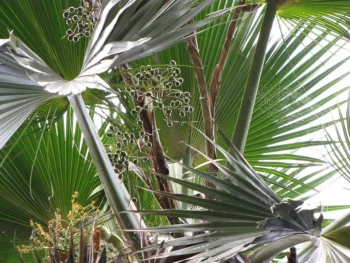
Mt. Eke Pritchardia: Hawaii’s Critically Endangered Fan Palm Worth Saving
Meet the Mt. Eke pritchardia (Pritchardia forbesiana), one of Hawaii’s most endangered native palms that deserves a spot in every tropical gardener’s heart—and potentially their landscape. This stunning fan palm isn’t just another pretty face in the tropical plant world; it’s a living piece of Hawaiian natural heritage that’s fighting for survival.
What Makes This Palm Special?
The Mt. Eke pritchardia is a perennial, woody tree that typically grows as a single-stemmed palm reaching over 13 feet in height, though environmental conditions can sometimes result in shorter, multi-stemmed forms. What really sets this beauty apart are its magnificent fan-shaped leaves that create an elegant, tropical silhouette that’s distinctly Hawaiian.
This palm is endemic to Hawaii, meaning it exists nowhere else on Earth. Specifically, it’s native to the Mt. Eke area on the island of Molokai, making it one of the most geographically restricted palms in the world.
- Species observed
- No observations
The Reality Check: This Palm is Critically Endangered
Here’s where things get serious. The Mt. Eke pritchardia has a Global Conservation Status of S1, which means it’s critically imperiled. With typically 5 or fewer occurrences and very few remaining individuals (less than 1,000), this palm is teetering on the edge of extinction. This rarity status means that if you’re considering adding this palm to your garden, you absolutely must source it responsibly from reputable native plant nurseries or conservation programs.
Growing Conditions and Care
If you’re lucky enough to live in USDA hardiness zones 10-12 and can source this palm responsibly, here’s what you need to know:
- Climate: Requires year-round warm temperatures typical of tropical and subtropical regions
- Sunlight: Thrives in partial shade to full sun
- Soil: Needs well-draining soil to prevent root rot
- Water: Prefers consistent moisture but not waterlogged conditions
- Wind protection: Benefits from shelter from strong winds that can damage the large fan leaves
Landscape Role and Design Ideas
The Mt. Eke pritchardia makes an excellent specimen tree in tropical landscapes, serving as a stunning focal point that tells a story of conservation and Hawaiian heritage. It’s particularly well-suited for:
- Hawaiian native plant gardens
- Tropical and subtropical landscape designs
- Conservation-focused gardens
- Educational landscapes showcasing endangered species
Wetland Adaptability
Interestingly, this palm has a facultative wetland status in Hawaii, meaning it can thrive in both wetland and non-wetland conditions. This adaptability makes it suitable for gardens with varying moisture levels, though consistent drainage remains important.
Wildlife and Pollinator Benefits
While specific data on wildlife benefits is limited, palm flowers generally attract small insects and can contribute to local ecosystem health. As a native species, it’s naturally adapted to support Hawaii’s indigenous wildlife.
The Bottom Line: Should You Plant It?
If you live in a suitable climate and can source this palm through responsible conservation channels, absolutely yes! By growing the Mt. Eke pritchardia, you’re not just adding a beautiful tree to your landscape—you’re participating in the conservation of one of Hawaii’s most endangered native plants. Just remember that with great beauty comes great responsibility: never collect from wild populations, and always purchase from reputable sources that support conservation efforts.
This palm isn’t just a plant; it’s a living testament to Hawaii’s unique natural heritage and a reminder of how precious our native flora truly is.