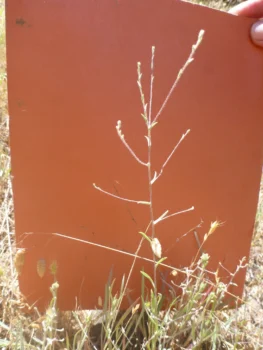
Mt. Tamalpais Lessingia: A Rare California Native Worth Knowing About
If you’re passionate about California native plants and conservation, you might be curious about Mt. Tamalpais lessingia (Lessingia micradenia). This little-known annual wildflower is one of California’s botanical treasures – and one of its most endangered plants. While you probably won’t find it at your local nursery, understanding this rare species helps us appreciate the incredible diversity of our native flora.
What Makes Mt. Tamalpais Lessingia Special
Mt. Tamalpais lessingia is an annual forb, meaning it’s a soft-stemmed herbaceous plant that completes its entire life cycle in one growing season. As a member of the Asteraceae family (the sunflower family), it likely produces small, daisy-like flowers typical of this plant group. What makes this species truly remarkable isn’t just its beauty – it’s its incredible rarity.
A California Endemic in Crisis
This native wildflower is found exclusively in California, with its distribution centered around the Mt. Tamalpais area. Unfortunately, Mt. Tamalpais lessingia has a Global Conservation Status of S2, which means it’s classified as Imperiled. This designation indicates that the species faces extreme rarity, with typically only 6 to 20 known occurrences and few remaining individuals (estimated at 1,000 to 3,000 plants total).
- Species observed
- No observations
Should You Try to Grow Mt. Tamalpais Lessingia?
Here’s where things get complicated. While this native plant is undoubtedly fascinating, its extreme rarity means you should approach it with caution:
- Only source responsibly: If you’re interested in growing this species, ensure any seeds or plants come from legitimate conservation programs or authorized botanical institutions
- Never collect from the wild: With so few populations remaining, every individual plant is precious for the species’ survival
- Consider alternatives: Other Lessingia species that are more common might satisfy your curiosity about this genus
- Support conservation: Consider donating to or volunteering with organizations working to protect rare California natives
Growing Conditions and Care
While specific growing information for Mt. Tamalpais lessingia is limited due to its rarity, we can make educated guesses based on its native habitat and annual nature:
- Climate: Likely thrives in USDA hardiness zones 9-10, typical of coastal California
- Growing season: As an annual, it would complete its life cycle within one growing season
- Habitat preferences: Probably prefers the Mediterranean climate conditions found in its native range
- Soil and water: Like many California natives, it likely prefers well-draining soils and minimal summer water
The Bigger Picture
Mt. Tamalpais lessingia represents the fragility of California’s native plant communities. Urban development, habitat fragmentation, and climate change threaten many of our endemic species. While you might not be able to grow this particular plant in your garden, you can still make a difference:
- Plant other California natives that support local ecosystems
- Learn about and support conservation efforts for rare plants
- Visit botanical gardens and nature preserves that protect these species
- Share knowledge about the importance of native plant conservation
A Plant Worth Protecting
Though Mt. Tamalpais lessingia might not grace your garden beds, knowing about this remarkable little plant connects us to California’s unique botanical heritage. Every rare species like this one tells a story about the incredible diversity that once covered our landscapes – and reminds us of our responsibility to protect what remains.
If you’re inspired by rare California natives, consider exploring more common species in the Lessingia genus or other native annuals that can bring wild beauty to your garden while supporting conservation through cultivation.