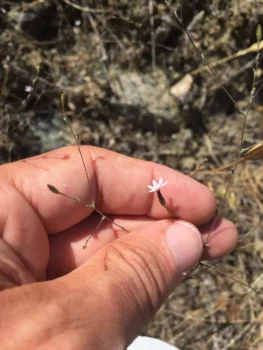
Mt. Tamalpais Lessingia: A Rare Gem for Conservation-Minded Gardeners
Meet one of California’s most exclusive wildflowers – the Mt. Tamalpais lessingia (Lessingia micradenia var. micradenia). This delicate annual forb isn’t just another pretty face in the garden; it’s a botanical treasure with a story that’ll make any native plant enthusiast’s heart skip a beat.
What Makes This Plant Special?
The Mt. Tamalpais lessingia is what botanists call an endemic species – meaning it calls just one tiny corner of the world home. This charming little wildflower is native exclusively to the Mt. Tamalpais area in Marin County, California, making it about as local as a plant can get.
As an annual forb, this plant completes its entire life cycle in just one growing season. Don’t let its delicate appearance fool you – this scrappy survivor has adapted to thrive in some pretty challenging rocky terrain. The plant produces small, daisy-like flowers with white to pale purple petals that create a delicate, almost ethereal display when in bloom.
Geographic Distribution and Rarity
Here’s where things get serious, folks. The Mt. Tamalpais lessingia grows naturally only in California, specifically in the Mt. Tamalpais region of Marin County. Its extremely limited range has earned it a Global Conservation Status of S2T1T2, which essentially means this plant is genuinely rare and potentially vulnerable.
- Species observed
- No observations
Should You Plant Mt. Tamalpais Lessingia?
The short answer: Only if you’re committed to conservation and can source it responsibly.
This isn’t your typical pop it in the garden and forget about it kind of plant. Given its rarity status, growing Mt. Tamalpais lessingia comes with some serious responsibilities. If you’re considering adding this special plant to your collection, you absolutely must ensure your seeds or plants come from legitimate, conservation-focused sources – never from wild collection.
Perfect Garden Settings
Mt. Tamalpais lessingia shines in:
- Native plant gardens focused on California flora
- Conservation collections and botanical displays
- Rock gardens with well-draining conditions
- Educational gardens highlighting rare species
- Mediterranean-climate landscapes
Growing Conditions and Care
This little beauty appreciates conditions that mimic its natural Mt. Tamalpais habitat:
- Sunlight: Full sun exposure
- Soil: Well-draining, rocky or sandy soils (avoid rich, heavy soils)
- Water: Drought-tolerant once established; minimal summer water
- Climate: USDA hardiness zones 9-10, thriving in Mediterranean climates
Planting and Care Tips
Growing Mt. Tamalpais lessingia successfully requires a bit of finesse:
- Direct seed in fall to allow natural winter stratification
- Plant in areas with excellent drainage – soggy soil is a death sentence
- Once established, resist the urge to overwater or fertilize
- Allow plants to self-seed for natural population maintenance
- Protect from foot traffic and disturbance
Wildlife and Pollinator Benefits
While small in stature, Mt. Tamalpais lessingia punches above its weight when it comes to supporting local wildlife. Its flowers attract various small native bees and other pollinators that have co-evolved with California’s native flora. By growing this plant, you’re supporting the intricate web of relationships that keep local ecosystems healthy.
The Bottom Line
Mt. Tamalpais lessingia isn’t for everyone, and that’s exactly the point. This rare California endemic is perfect for dedicated native plant gardeners who understand the importance of conservation and are committed to growing plants responsibly. If you’re lucky enough to source this botanical gem ethically, you’ll be helping preserve a piece of California’s natural heritage while adding something truly special to your garden.
Remember: with great plants comes great responsibility. Only consider growing Mt. Tamalpais lessingia if you’re prepared to be a good steward of this rare species.