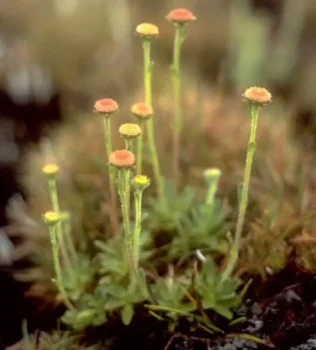
Mt. Waialeale Island-Daisy: Hawaii’s Critically Endangered Wetland Treasure
If you’re passionate about Hawaiian native plants, you’ve probably never heard of the Mt. Waialeale island-daisy (Keysseria helenae). And honestly, that’s not surprising – this little perennial forb is one of Hawaii’s rarest botanical treasures, teetering on the edge of extinction in the wild.
What Makes This Plant So Special?
The Mt. Waialeale island-daisy is what botanists call an endemic species – it exists nowhere else on Earth except in Hawaii. This herbaceous perennial belongs to the daisy family and was once known by the scientific name Lagenifera helenae before being reclassified as Keysseria helenae.
As a forb, this plant lacks significant woody tissue and produces its new growth from buds located at or below ground level each growing season. It’s perfectly adapted to Hawaii’s unique wetland environments, where it has evolved over thousands of years.
Where Does It Grow?
This rare island-daisy is found exclusively in Hawaii, with strong associations to the Mt. Waialeale area. As an obligate wetland species, it almost always occurs in wetland environments – think soggy soils, stream edges, and perpetually moist habitats that would make most garden plants throw in the towel.
- Species observed
- No observations
Conservation Status: A Plant in Crisis
Here’s where things get serious. The Mt. Waialeale island-daisy has a Global Conservation Status of S1, which translates to Critically Imperiled. In plain English, this means the species is at extreme risk of disappearing forever. We’re talking about five or fewer known populations and likely fewer than 1,000 individual plants remaining in the wild.
The plant is also listed as Endangered, giving it legal protection but highlighting just how precarious its situation has become.
Should You Try to Grow It?
While the idea of growing this rare Hawaiian native might seem appealing, here’s the reality check: this plant is not suitable for typical home gardens, and attempting to grow it could actually harm conservation efforts.
Here’s why you should think twice:
- Extreme rarity: With so few plants left in the wild, any collection could impact wild populations
- Specialized habitat needs: As an obligate wetland species, it requires consistently saturated soils that most gardens can’t provide
- Unknown cultivation requirements: There’s virtually no information available about how to successfully grow this species in cultivation
- Conservation priority: Efforts should focus on protecting existing wild populations rather than garden cultivation
Better Alternatives for Your Hawaiian Garden
If you’re interested in supporting Hawaiian native plants, consider these more widely available alternatives that won’t put additional pressure on critically endangered species:
- Other native Hawaiian daisies and sunflowers that are more common
- Native wetland plants that are better suited to cultivation
- Working with local native plant societies to support conservation efforts
How You Can Help
Instead of trying to grow the Mt. Waialeale island-daisy, consider supporting its conservation through:
- Donating to Hawaiian plant conservation organizations
- Participating in habitat restoration projects
- Learning about and growing other Hawaiian native species that are less threatened
- Supporting research into the ecology and conservation needs of rare Hawaiian plants
The Bottom Line
The Mt. Waialeale island-daisy represents both the incredible botanical diversity of Hawaii and the fragility of island ecosystems. While we can’t recommend growing this critically endangered species in home gardens, we can appreciate its uniqueness and support the conservation efforts working to ensure it doesn’t disappear from our planet forever.
Sometimes the best way to love a plant is to let it be wild and work to protect the places where it naturally thrives. In the case of Keysseria helenae, that’s exactly what this remarkable little daisy needs most.