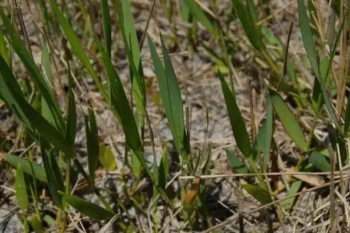
Muhlenberg Maidencane: A Rare Native Grass for Wetland Gardens
If you’re looking to add authentic southeastern charm to your wetland garden, Muhlenberg maidencane (Amphicarpum muehlenbergianum) might just be the understated beauty you’ve been searching for. This delicate native grass brings a whisper of wildness to gardens while supporting local ecosystems—though its rarity makes it a plant that requires thoughtful consideration before adding to your landscape.
What Is Muhlenberg Maidencane?
Muhlenberg maidencane is a perennial grass native to the southeastern United States. Also known by its synonym Amphicarpum floridanum, this graceful graminoid belongs to the grass family and exemplifies the subtle elegance that native grasses can bring to garden spaces. Unlike flashy ornamental grasses, this species offers a more refined, naturalistic presence that whispers rather than shouts.
Where Does It Grow Naturally?
This native grass calls the southeastern coastal regions home, naturally occurring across five states: Alabama, Florida, Georgia, North Carolina, and South Carolina. It thrives in the unique conditions found in coastal plain wetlands and boggy areas throughout this region.
- Species observed
- No observations
Important Rarity Considerations
Here’s where things get serious: Muhlenberg maidencane carries an S1 rarity status in Alabama, meaning it’s critically imperiled in that state. This designation should give any responsible gardener pause. While this native grass can be a wonderful addition to appropriate gardens, it’s crucial that you source plants or seeds only from reputable native plant nurseries that propagate their stock responsibly—never from wild populations.
Growing Conditions and Care
Muhlenberg maidencane is happiest in conditions that mimic its natural wetland habitat:
- Moisture: Consistently moist to wet soils—this grass is classified as a Facultative Wetland species
- Light: Full sun to partial shade
- Soil: Acidic, boggy conditions
- Climate: USDA hardiness zones 8-10
Once established, this perennial grass is relatively low-maintenance, requiring little care beyond ensuring adequate moisture levels.
Perfect Garden Settings
Muhlenberg maidencane shines in specialized garden environments:
- Rain gardens: Helps manage stormwater while adding native texture
- Bog gardens: Perfect for acidic, consistently moist conditions
- Native plant gardens: Provides authentic regional character
- Restoration projects: Ideal for recreating natural wetland ecosystems
- Erosion control: Stabilizes soil in wet areas
Wildlife and Ecosystem Benefits
As a wind-pollinated grass, Muhlenberg maidencane doesn’t offer direct nectar resources for pollinators, but it plays other important ecological roles. Native grasses like this one provide habitat structure, seeds for wildlife, and help maintain the natural balance of wetland ecosystems. The plant’s presence supports the broader web of life that depends on authentic southeastern coastal plain habitats.
Should You Grow Muhlenberg Maidencane?
The answer depends on your garden situation and commitment to conservation. If you have the right wetland conditions and can source plants responsibly, Muhlenberg maidencane offers a unique opportunity to grow a rare piece of southeastern natural heritage. However, given its rarity status, casual gardeners might consider more common native alternatives that provide similar aesthetic and ecological benefits without the conservation concerns.
This delicate grass rewards thoughtful gardeners who appreciate subtle beauty and want to support native ecosystems—just remember that with rarity comes responsibility. Choose your sources wisely, and you’ll be helping preserve this beautiful native for future generations to enjoy.