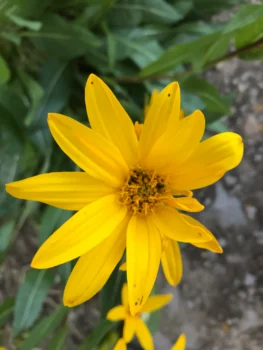
Mule-Ears: A Bold Native Beauty for Western Gardens
If you’re looking to add some serious wow-factor to your western garden, let me introduce you to one of nature’s most distinctive wildflowers. Mule-ears (Wyethia amplexicaulis) gets its charming common name from its large, ear-shaped leaves that could easily belong on a particularly well-dressed mule. But don’t let the quirky name fool you – this native perennial is a showstopper that deserves a place in any thoughtful landscape design.
Where Mule-Ears Call Home
This rugged beauty is native to the western United States, naturally growing across Colorado, Idaho, Montana, Nevada, Oregon, Utah, Washington, and Wyoming. You’ll find it thriving in mountain meadows, sagebrush communities, and open woodlands where it has adapted to the boom-and-bust moisture cycles of the American West.
- Species observed
- No observations
Why You’ll Fall in Love with Mule-Ears
Mule-ears brings several compelling qualities to your garden that make it worth considering:
- Stunning spring display: Large, bright yellow sunflower-like blooms appear in mid to late spring, creating a cheerful splash of color when many other plants are just waking up
- Distinctive foliage: Those famous ear-shaped leaves aren’t just cute – they’re substantial and silvery-green, providing excellent textural contrast in the garden
- Pollinator magnet: Bees, butterflies, and other native pollinators absolutely love the abundant nectar and pollen these flowers provide
- Low maintenance: Once established, mule-ears is remarkably drought-tolerant and requires minimal fussing
- Long-lived: As a long-lived perennial, this plant will be a reliable garden companion for many years
Garden Design Ideas
Mule-ears works beautifully in several landscape styles:
- Native plant gardens: Perfect for recreating natural western ecosystems
- Wildflower meadows: Provides bold structure among grasses and smaller wildflowers
- Xeriscape designs: Excellent drought tolerance makes it ideal for water-wise gardening
- Informal borders: Creates dramatic focal points with its substantial size and bright blooms
Size and Growth Habits
Expect your mule-ears to reach about 2.5 feet tall with a similar spread. It grows at a moderate pace and forms a single crown rather than spreading aggressively. The plant is most active during spring and summer, with attractive foliage that remains interesting even after the blooms fade.
Growing Conditions That Make Mule-Ears Happy
This mountain native has some specific preferences, but they’re not too demanding:
- Sunlight: Full sun is essential – this plant is shade intolerant
- Soil: Prefers medium to fine-textured soils with good drainage
- pH: Slightly acidic to neutral soils (6.2 to 7.6) work best
- Water: Medium moisture needs, but quite drought-tolerant once established
- Climate: Needs at least 110 frost-free days and annual precipitation between 12-20 inches
Hardiness Zones
Mule-ears is hardy in USDA zones 4-8, tolerating temperatures as low as -38°F. This makes it suitable for most mountain and intermountain regions where it naturally occurs.
Planting and Care Tips
Growing mule-ears successfully is surprisingly straightforward:
- Starting from seed: This is your best bet, as commercial plants are only available through special contracts. Seeds can be direct-sown in fall or given a brief cold treatment before spring planting
- Planting density: Space plants to allow 1,700-2,700 per acre, or roughly 3-4 feet apart in garden settings
- Establishment: Be patient – seedling vigor is low, so give young plants extra attention their first year
- Watering: Water regularly during establishment, then reduce as the deep taproot develops
- Fertilizing: Medium fertility requirements mean occasional compost is usually sufficient
- Fire consideration: While not fire-resistant, the plant has high fire tolerance and can recover from burning
Special Considerations
Mule-ears has a facultative wetland status, meaning it can handle both wetland and upland conditions depending on your region. In the arid West, it’s more likely to tolerate wetter conditions, while in mountainous areas, it typically prefers drier upland sites.
The plant produces seeds from spring through summer, though seed persistence is low, so collect them promptly if you want to expand your planting or share with fellow gardeners.
The Bottom Line
Mule-ears is a fantastic choice for western gardeners who want to embrace their region’s natural beauty while supporting local wildlife. Yes, it requires patience during establishment, and yes, you’ll need to start from seed. But the reward – a bold, drought-tolerant perennial that lights up your garden each spring while feeding pollinators – makes the effort absolutely worthwhile. Plus, you’ll have the best conversation starter in the neighborhood when visitors ask about those distinctive ears in your garden!