Munchkin Liveforever: A Tiny Treasure of California’s Coast
If you’re drawn to the world of rare and extraordinary succulents, you may have heard whispers about the munchkin liveforever (Dudleya gnoma). This diminutive beauty is one of California’s most precious botanical gems, though growing it comes with some serious considerations that every responsible gardener should understand.
What Makes Munchkin Liveforever Special?
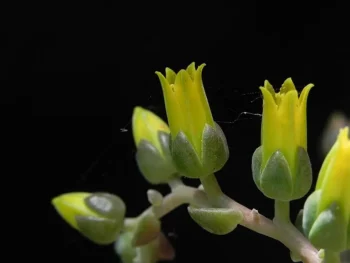
The munchkin liveforever lives up to its whimsical name, forming tiny rosettes of thick, fleshy leaves that seem almost magical in their perfect miniature proportions. This perennial succulent typically displays blue-green to silvery-gray foliage arranged in tight, geometric patterns. When it blooms, small stalks emerge bearing delicate yellow or white flowers that attract native pollinators.
As a member of the Dudleya genus, this plant shares the characteristic thick, waxy leaves that help it survive in harsh coastal conditions. However, what sets the munchkin liveforever apart is its incredibly small size and its extremely limited natural range.
Native Range and Conservation Status
Here’s where things get serious: Dudleya gnoma is native only to very specific rocky coastal areas in California, making it one of the state’s rarest plants. With a Global Conservation Status of S1, this species is considered critically imperiled, with typically five or fewer known populations and fewer than 1,000 individual plants remaining in the wild.
- Species observed
- No observations
Important Conservation Note: Due to its critically endangered status, we strongly recommend that gardeners only consider growing munchkin liveforever if they can obtain plants through responsible, ethical sources that don’t impact wild populations. This might include botanical gardens, conservation programs, or reputable nurseries that grow plants from legally collected seeds.
Growing Conditions and Care
If you’re fortunate enough to obtain munchkin liveforever through responsible sources, here’s what this tiny treasure needs to thrive:
Climate Requirements
- USDA Hardiness Zones 9-11
- Prefers coastal California’s mild, Mediterranean climate
- Tolerates light frost but not prolonged freezing
Soil and Drainage
- Excellent drainage is absolutely critical
- Rocky, sandy, or gravelly soils work best
- Consider adding pumice, perlite, or decomposed granite
- Container growing often works better than in-ground planting
Light and Water
- Full sun to partial shade
- Extremely drought tolerant once established
- Water sparingly, allowing soil to dry completely between waterings
- Reduce watering significantly in winter
Garden Design and Landscaping
Due to its tiny size and specific needs, munchkin liveforever works best in:
- Specialized succulent collections
- Rock gardens with perfect drainage
- Container gardens where conditions can be controlled
- Native plant gardens focused on California species
- Raised beds designed for Mediterranean plants
This isn’t a plant for mass plantings or typical landscape use. Instead, think of it as a living jewel that deserves a special spotlight where its unique beauty can be appreciated up close.
Pollinator and Wildlife Benefits
When munchkin liveforever does bloom, its small flowers provide nectar for native pollinators, including specialized bees and other beneficial insects. While its wildlife benefits may seem modest due to its size, every native plant plays a role in supporting local ecosystems.
The Bottom Line
Munchkin liveforever represents both the incredible diversity of California’s native plants and the urgent need for plant conservation. While it can be a rewarding addition to the right garden setting, growing it comes with the responsibility of supporting conservation efforts rather than contributing to further decline of wild populations.
If you’re passionate about rare succulents and can source plants ethically, munchkin liveforever offers the chance to grow something truly extraordinary. Just remember: with great rarity comes great responsibility. Consider supporting conservation organizations working to protect California’s rare plants, and always choose responsible sourcing over convenience.
For most gardeners interested in similar aesthetics, consider exploring other Dudleya species that are more common, or look into other small, drought-tolerant California natives that can provide similar garden interest without conservation concerns.