Munz’s Cholla: A Rare Desert Gem Worth Protecting in Your Garden
If you’re looking to add some authentic desert character to your landscape, Munz’s cholla (Cylindropuntia munzii) might just be the spiny showstopper you’ve been searching for. This distinctive cactus brings both beauty and ecological value to the right garden setting, though its vulnerable status means you’ll want to source it responsibly.
What Makes Munz’s Cholla Special?
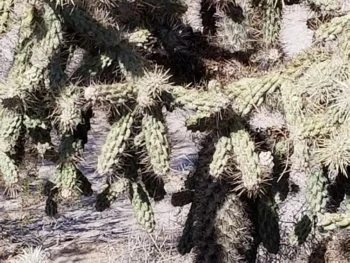
Munz’s cholla is a perennial shrub that typically grows as a multi-stemmed woody plant, usually staying under 13-16 feet tall. Like other chollas, it features the characteristic segmented stems that give these cacti their distinctive appearance. The plant produces vibrant flowers that range from yellow to red, creating a stunning contrast against its spiny, cylindrical segments.
This native California species belongs to the prickly pear family and has earned its place as a true desert specialist. Its scientific synonyms include Opuntia munzii, reflecting its close relationship to other members of this iconic cactus group.
Where You’ll Find Munz’s Cholla
Munz’s cholla calls California home, where it thrives in the state’s diverse desert landscapes. As a native species to the lower 48 states, it’s perfectly adapted to the challenging conditions of its natural habitat.
- Species observed
- No observations
A Word of Caution: This Beauty is Vulnerable
Here’s something important every potential grower should know: Munz’s cholla has a Global Conservation Status of S3, meaning it’s considered vulnerable. With typically only 21 to 100 occurrences and between 3,000 to 10,000 individuals remaining, this species faces real conservation challenges.
Does this mean you shouldn’t grow it? Not necessarily! But it does mean you should be extra careful about sourcing. Only purchase from reputable nurseries that propagate their plants responsibly rather than collecting from wild populations.
Perfect Garden Settings
Munz’s cholla shines brightest in:
- Xeriscape gardens designed for water conservation
- Desert-themed landscapes
- Mediterranean-style gardens
- Rock gardens with excellent drainage
- Southwestern architectural settings
This isn’t a plant for traditional English gardens or areas with regular irrigation. It’s a specialist that demands respect for its desert origins.
Growing Conditions and Care
If you’re in USDA hardiness zones 9-11, you might be able to successfully grow Munz’s cholla. Here’s what this desert dweller needs:
- Sunlight: Full sun is essential – this plant has evolved under intense desert sunshine
- Soil: Well-draining soil is non-negotiable; soggy conditions will quickly kill your cholla
- Water: Drought-tolerant once established, requiring minimal supplemental watering
- Temperature: Protect from hard frosts, as it’s adapted to warmer desert climates
Wildlife and Pollinator Benefits
When Munz’s cholla blooms, it becomes a beacon for desert-adapted pollinators. Bees, butterflies, and other beneficial insects are drawn to its colorful flowers, making it a valuable addition to pollinator-friendly gardens. The plant also provides habitat and sometimes food for various desert wildlife species.
Planting and Care Tips
Growing Munz’s cholla successfully requires understanding its desert nature:
- Plant in raised beds or slopes to ensure perfect drainage
- Space plants adequately – they need room to grow and good air circulation
- Water sparingly, allowing soil to dry completely between waterings
- Wear thick gloves and use tongs when handling – those spines are seriously sharp!
- Avoid fertilizing; desert plants prefer lean conditions
Is Munz’s Cholla Right for Your Garden?
This remarkable cactus isn’t for everyone, and that’s perfectly okay. Consider Munz’s cholla if you:
- Live in an appropriate climate zone
- Have a garden design that celebrates desert aesthetics
- Want to support native plant conservation
- Appreciate low-maintenance, drought-tolerant plants
- Can source the plant responsibly
Remember, growing vulnerable native species like Munz’s cholla is both a privilege and a responsibility. By choosing responsibly propagated specimens and providing appropriate care, you’re not just adding beauty to your landscape – you’re participating in conservation efforts that help ensure these remarkable desert survivors continue to thrive for future generations.
If Munz’s cholla isn’t quite right for your situation, consider other native California desert plants that might be more readily available and equally stunning in the right setting.