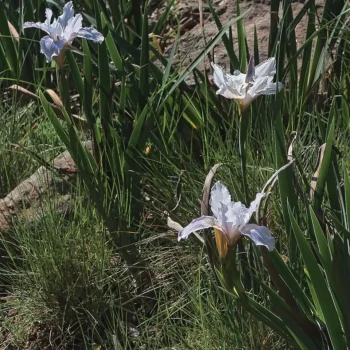
Munz’s Iris: A Rare California Native Worth Protecting in Your Garden
If you’re passionate about California native plants and have a soft spot for rare botanical treasures, Munz’s iris (Iris munzii) might just capture your heart. This delicate perennial iris is one of California’s most endangered wildflowers, making it both a gardening challenge and a conservation opportunity rolled into one beautiful package.
What Makes Munz’s Iris Special?
Munz’s iris is a true California endemic, found naturally only in Riverside County. This charming forb produces lovely purple to violet flowers that measure 2-3 inches across, creating a stunning spring display that’s worth waiting for. As a perennial herbaceous plant, it dies back to underground rhizomes each year and returns with fresh growth when conditions are right.
What sets this iris apart isn’t just its beauty—it’s its rarity. With a Global Conservation Status of S2 (Imperiled), Munz’s iris has only 6 to 20 known occurrences in the wild, with an estimated 1,000 to 3,000 individual plants remaining. That makes every garden specimen precious.
Where Does It Come From?
This rare gem calls California home, specifically the chaparral and oak woodland habitats of Riverside County. It’s perfectly adapted to the Mediterranean climate of Southern California, thriving in areas that experience wet winters and dry summers.
- Species observed
- No observations
Should You Grow Munz’s Iris?
The conservation consideration: Because of its imperiled status, we strongly recommend growing Munz’s iris only if you can source it from reputable native plant nurseries that propagate from legally obtained, ethically sourced material. Never collect plants or seeds from wild populations—this could push the species closer to extinction.
Why it’s worth growing:
- Supports conservation efforts through cultivation
- Provides beautiful spring color with purple-violet blooms
- Attracts native pollinators and beneficial insects
- Extremely drought-tolerant once established
- Perfect for Mediterranean and native California gardens
- Adds rare botanical diversity to your landscape
Garden Design and Landscape Use
Munz’s iris works beautifully in several garden settings. It’s ideal for native plant gardens where you’re showcasing California’s natural heritage, and it makes an excellent addition to rock gardens where its delicate flowers can be appreciated up close. The plant also works well in naturalized areas where you want to create habitat for native wildlife.
This iris pairs wonderfully with other drought-tolerant California natives and thrives in Mediterranean-style gardens that celebrate water-wise landscaping.
Growing Conditions and Care
Climate zones: USDA hardiness zones 9-10, which perfectly matches California’s Mediterranean climate regions
Light requirements: Partial shade to full sun, though some afternoon shade in hotter areas is beneficial
Soil needs: Well-draining soil is absolutely essential—this iris cannot tolerate wet feet or soggy conditions
Water requirements: Drought-tolerant once established, requiring minimal supplemental irrigation after the first growing season
Planting and Care Tips
When to plant: Fall is the ideal planting time, allowing the rhizomes to establish before the growing season
Planting depth: Plant rhizomes just below the soil surface, ensuring good drainage around the planting area
Ongoing care:
- Apply a layer of mulch to conserve moisture and suppress weeds
- Water sparingly—overwatering is more dangerous than drought
- Allow foliage to die back naturally after blooming
- Divide clumps every few years to maintain vigor
Wildlife and Pollinator Benefits
During its spring bloom period, Munz’s iris attracts native bees and other beneficial insects, making it a valuable addition to pollinator gardens. By growing this rare species, you’re not only preserving genetic diversity but also providing important habitat resources for native wildlife.
The Bottom Line
Munz’s iris represents both an opportunity and a responsibility. If you can source it ethically and provide the well-draining, Mediterranean conditions it needs, you’ll be rewarded with a rare and beautiful addition to your garden while contributing to conservation efforts. Just remember—this isn’t a plant for beginners or anyone looking for instant gratification. It’s for gardeners who appreciate rarity, understand conservation, and are committed to protecting California’s botanical heritage one garden at a time.