Munz’s Onion: A Rare California Native Worth Protecting in Your Garden
Meet Munz’s onion (Allium munzii), a charming little native bulb that’s as rare as it is beautiful. This delicate perennial might just be the perfect addition to your native plant garden—but there’s an important conservation story you need to know first.
What Makes Munz’s Onion Special?
Munz’s onion is a true California native, found exclusively in San Diego County. This herbaceous perennial belongs to the same family as garden onions and garlic, but don’t let that fool you—this little beauty is all about the flowers, not the kitchen!
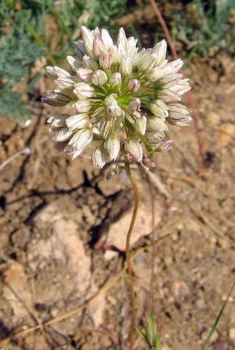
Standing 1-3 feet tall, Munz’s onion produces clusters of delicate pink to purple blooms atop slender stems in spring. The narrow, grass-like foliage emerges from underground bulbs, creating an elegant, understated presence in the garden. It’s the kind of plant that whispers rather than shouts, but its quiet charm is absolutely captivating.
A Conservation Success Story in Your Backyard
Here’s where things get serious: Munz’s onion is critically imperiled with a global conservation status of S1 and is listed as Endangered in the United States. With typically five or fewer known occurrences and fewer than 1,000 remaining individuals in the wild, this little onion is fighting for survival.
Important: If you’re interested in growing Munz’s onion, please only obtain plants or seeds from reputable native plant nurseries that use responsibly sourced, legally propagated material. Never collect from wild populations.
Where Does It Call Home?
Munz’s onion is endemic to Southern California, specifically San Diego County. In the wild, you’ll find it growing in chaparral communities on clay soils, where it has adapted to the region’s Mediterranean climate patterns.
- Species observed
- No observations
Why Grow Munz’s Onion?
Despite its rarity—or perhaps because of it—there are compelling reasons to include this native in your garden:
- Pollinator magnet: The small flowers attract native bees, butterflies, and other beneficial insects
- Water-wise: Once established, it’s beautifully drought-tolerant
- Low maintenance: This perennial bulb takes care of itself with minimal fuss
- Conservation impact: Growing it helps preserve genetic diversity and raises awareness
- Seasonal interest: Provides lovely spring blooms when many plants are just waking up
Perfect Garden Companions
Munz’s onion shines in native plant gardens, rock gardens, and Mediterranean-style landscapes. It pairs beautifully with other California natives like salvias, penstemons, and native grasses. The key is creating a naturalized look that mimics its wild chaparral habitat.
Growing Munz’s Onion Successfully
Good news for Southern California gardeners—this plant is surprisingly easy to grow when you match its preferred conditions:
Climate Requirements
- USDA Hardiness Zones 9-10
- Mediterranean climate with dry summers
- Tolerates coastal and inland conditions
Soil and Sun
- Well-draining soil is absolutely essential
- Clay or sandy soils work well
- Full sun to partial shade
- Avoid areas that stay wet in summer
Planting and Care Tips
- Plant bulbs in fall for spring blooms
- Water regularly during the growing season (fall through spring)
- Reduce watering dramatically in summer—this plant wants to rest!
- Allow foliage to die back naturally to feed the bulb
- Mulch lightly to conserve moisture and suppress weeds
A Living Legacy
When you grow Munz’s onion in your garden, you’re doing more than just adding a pretty plant—you’re becoming a conservation partner. Every responsibly grown specimen helps ensure this rare native has a fighting chance for the future.
While we can’t all have wild chaparral in our backyards, we can create small havens for California’s rarest plants. Munz’s onion proves that sometimes the most endangered species make the most meaningful garden additions.
Just remember: source responsibly, grow with care, and maybe share a few seeds with fellow native plant enthusiasts. After all, conservation is always better as a community effort!