Murdock’s Thistle: A Rare Utah Gem Worth Protecting
Meet Murdock’s thistle (Cirsium murdockii), a botanical treasure that’s as exclusive as it gets in the plant world. This spiny beauty is what botanists call an endemic – meaning it calls just one place on Earth home, and that place happens to be the stunning state of Utah.
What Makes Murdock’s Thistle Special?
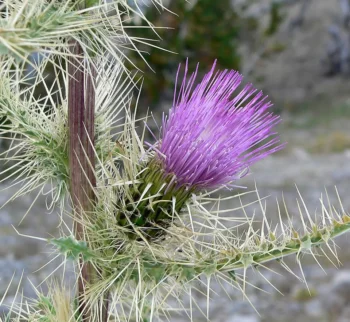
Murdock’s thistle isn’t your run-of-the-mill garden variety plant. This native forb (that’s fancy talk for a non-woody flowering plant) is a biennial to perennial that puts on quite the show when it blooms. Like its thistle cousins, it produces lovely purple flowers that practically scream come visit me! to every butterfly and bee in the neighborhood.
Standing 2-4 feet tall when fully grown, this thistle has the characteristic spiny leaves that give all thistles their look but don’t touch reputation. But don’t let those spines fool you – this plant is a pollinator magnet and plays an important role in Utah’s native ecosystems.
Where Does It Call Home?
Here’s where things get really interesting (and important): Murdock’s thistle is found exclusively in Utah, particularly in the Uinta Basin and surrounding areas. This makes it what we call a Utah endemic – a plant that evolved in this specific region and exists nowhere else on the planet.
- Species observed
- No observations
A Word of Caution: Rarity Matters
Before you start planning where to plant Murdock’s thistle in your garden, there’s something crucial you need to know. This species has a Global Conservation Status of S2S3, which puts it in the rare and potentially vulnerable category. In plain English, this means there aren’t very many of these plants left in the wild.
While we absolutely encourage growing native plants, rare species like Murdock’s thistle require special consideration. If you’re passionate about adding this unique thistle to your garden, please make sure you source it responsibly from reputable native plant nurseries that propagate their own stock rather than collecting from wild populations.
Growing Murdock’s Thistle: For the Dedicated Native Plant Enthusiast
If you’ve sourced your Murdock’s thistle responsibly and want to give it a home in your garden, here’s what this Utah native prefers:
Ideal Growing Conditions
- Sunlight: Full sun is best
- Soil: Well-draining soil is essential
- Water: Drought tolerant once established, but appreciates occasional watering
- Hardiness: Suitable for USDA zones 4-7
Planting and Care Tips
- Fall seeding often works best for thistles
- Give plants plenty of space – they don’t like to be crowded
- Minimal maintenance once established
- May self-seed if conditions are right
Perfect Garden Partners
Murdock’s thistle fits beautifully into native plant gardens, xeric (dry) landscapes, and naturalized areas. It pairs wonderfully with other Utah natives and creates an authentic slice of local ecosystem in your backyard. The purple blooms make excellent companions for native grasses and other wildflowers.
Wildlife Benefits
Like most thistles, Murdock’s thistle is a pollinator powerhouse. Butterflies, bees, and other beneficial insects absolutely love the nectar-rich purple flowers. The seeds also provide food for birds, making this plant a valuable addition to wildlife-friendly gardens.
The Bottom Line
Murdock’s thistle represents something special – a piece of Utah’s unique natural heritage. While its rarity means we need to be thoughtful about how we grow and source it, responsible cultivation can actually help ensure this beautiful native continues to thrive. Just remember: if you choose to grow this rare beauty, make sure you’re doing your part to protect wild populations by sourcing plants responsibly.
Whether you grow it or simply appreciate it in its native habitat, Murdock’s thistle is a reminder of the incredible diversity and uniqueness of our native flora. Sometimes the most special plants are the ones that call just one small corner of the world home.