Musinea Ragwort: A Critically Rare Utah Native Worth Protecting
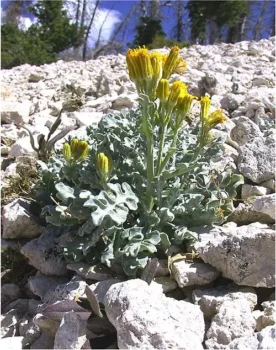
Meet Musinea ragwort (Senecio musiniensis), one of Utah’s most endangered wildflowers. This little-known perennial forb represents the kind of botanical treasure that makes native plant conservation so important – and so challenging.
What Makes Musinea Ragwort Special
Musinea ragwort is a herbaceous perennial that belongs to the vast Senecio genus, known for their daisy-like flowers and often silvery foliage. As a forb, this plant lacks the woody stems of shrubs and trees, instead producing soft, green growth that dies back seasonally while the root system persists underground.
What truly sets this ragwort apart isn’t just its rarity – it’s the fact that it calls only Utah home. This endemic species represents millions of years of evolution in Utah’s unique high-desert ecosystems.
Where You’ll Find It (Or Won’t)
Musinea ragwort grows exclusively in Utah, making it a true state endemic. However, don’t expect to stumble across it on your next hiking trip.
- Species observed
- No observations
This species carries a Global Conservation Status of S1, meaning it’s critically imperiled. In practical terms, this means there are typically five or fewer known populations, with fewer than 1,000 individual plants remaining in the wild. That’s incredibly rare – we’re talking about a species hanging on by a thread.
Should You Grow Musinea Ragwort?
Here’s where things get complicated. While we’d love to encourage everyone to grow native plants, Musinea ragwort falls into a special category that requires extra consideration.
The conservation reality: With so few plants remaining in the wild, any collection from natural populations could push this species closer to extinction. If you’re interested in growing this rare beauty, you should only source it from:
- Legitimate conservation programs
- Botanical institutions with proper permits
- Specialty nurseries that propagate from legally obtained seed
Never collect seeds or plants from wild populations – it’s both ecologically harmful and likely illegal.
Growing Conditions and Care
Unfortunately, detailed cultivation information for Musinea ragwort is scarce, largely due to its rarity and limited study. However, based on its Utah habitat and relationship to other Senecio species, it likely prefers:
- Well-draining, sandy or rocky soils
- Full sun to partial shade
- Low to moderate water once established
- Cool to cold winter temperatures (typical of Utah’s climate)
Like most high-desert natives, it probably doesn’t appreciate heavy clay soils or excessive summer watering.
Alternative Native Ragworts
If you’re drawn to ragworts but want to avoid the conservation concerns, consider these more common native alternatives:
- Rocky Mountain groundsel (Senecio streptanthifolius) – more widely distributed
- Arrowleaf groundsel (Senecio triangularis) – beautiful for moist areas
- Threadleaf groundsel (Senecio douglasii) – drought-tolerant option
These species offer similar aesthetic appeal while being much more sustainable choices for home gardens.
The Bigger Picture
Musinea ragwort serves as a reminder that native gardening isn’t just about pretty flowers – it’s about stewardship. Sometimes the most loving thing we can do for a rare plant is to admire it from afar and support conservation efforts rather than trying to grow it ourselves.
By choosing more common native alternatives and supporting botanical conservation programs, we can help ensure that future generations might have a chance to encounter Musinea ragwort in its natural Utah habitat. That’s a legacy worth cultivating.