Muskingum Sedge: A Unique Native Plant for Wet Gardens
If you’re looking for a distinctive native plant that thrives in wet conditions and adds an almost tropical flair to your garden, meet Muskingum sedge (Carex muskingumensis). This remarkable perennial sedge stands out from the crowd with its unique palm-like appearance that’s sure to spark conversations among garden visitors.
What Makes Muskingum Sedge Special?
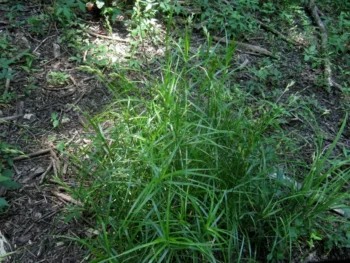
Muskingum sedge is a fascinating native grass-like plant that belongs to the sedge family. What sets it apart is its distinctive growth pattern – the narrow green leaves radiate outward from the stem in whorls, creating an almost palm-tree effect in miniature. This unusual structure makes it one of the most architecturally interesting sedges you can grow.
Reaching about 3 feet in height, this slow-growing perennial forms attractive clumps that provide excellent texture and structure to wet garden areas. The fine-textured green foliage maintains its appeal throughout the active growing season of spring, summer, and fall.
Where Does Muskingum Sedge Come From?
This wonderful native plant calls both Canada and the lower 48 states home. You’ll find it naturally growing across a wide swath of North America, including Arkansas, Ontario, Illinois, Indiana, Iowa, Kansas, Kentucky, Michigan, Minnesota, Missouri, Ohio, Oklahoma, Tennessee, and Wisconsin.
- Species observed
- No observations
Important note for Arkansas gardeners: Muskingum sedge has a rare status (S1) in Arkansas, meaning it’s critically imperiled in the state. If you’re in Arkansas and want to grow this beauty, please source your plants from reputable native plant nurseries that propagate their stock responsibly rather than wild-collecting.
Perfect for Water-Loving Gardens
Here’s where Muskingum sedge really shines – it’s classified as an obligate wetland plant across all regions where it grows. This means it almost always occurs in wetlands and absolutely loves wet conditions. If you have a spot in your garden that stays consistently moist or even soggy, this sedge will be perfectly happy there.
This makes it an excellent choice for:
- Rain gardens and bioswales
- Pond and stream edges
- Bog gardens
- Naturalized wetland areas
- Areas with poor drainage
Growing Conditions That Make It Thrive
Muskingum sedge is surprisingly adaptable when it comes to soil and light conditions, as long as you keep it wet! Here’s what it needs to flourish:
- Soil: Adapts well to fine and medium-textured soils, prefers acidic conditions (pH 4.7-6.9)
- Moisture: High moisture requirements – think consistently wet to saturated
- Light: Shade tolerant, handles partial shade to full sun
- Hardiness: Cold hardy to USDA zones 3-8 (tolerates temperatures down to -33°F)
- Drainage: Actually prefers poor drainage – perfect for those challenging wet spots
Planting and Care Tips
The good news is that once established, Muskingum sedge is quite low-maintenance. Here’s how to get started:
Planting: You can propagate this sedge through seeds, bare root plants, or sprigs. It’s routinely available from native plant suppliers, though you might need to be patient as it has a slow growth rate and low seedling vigor.
Timing: Plant in spring after the last frost, or in early fall. The plant blooms in late spring with small, inconspicuous green flowers.
Spacing: Plan for 2,700 to 4,800 plants per acre for large installations, or space individual plants about 18-24 inches apart in home gardens.
Ongoing care: Once established, this sedge requires minimal intervention. It has moderate fertility requirements and doesn’t need regular fertilizing. The main thing is keeping it consistently moist.
Wildlife and Ecological Benefits
While Muskingum sedge may not be a major pollinator magnet (sedges are wind-pollinated rather than insect-pollinated), it still provides valuable habitat structure for wildlife. The dense clumps offer shelter for small animals and birds, and the seeds provide food for waterfowl and other wildlife.
As a native plant, it fits perfectly into local ecosystems and supports the broader web of native wildlife that has evolved alongside it for thousands of years.
Is Muskingum Sedge Right for Your Garden?
Consider adding Muskingum sedge to your garden if you:
- Have consistently wet or poorly draining areas
- Want to create a rain garden or bog garden
- Appreciate unique, architectural plants
- Prefer low-maintenance native species
- Want to support local ecosystems
Keep in mind that this isn’t the right choice for dry gardens or areas where you want quick results – its slow growth rate means you’ll need patience to see it reach its full potential.
With its distinctive palm-like appearance and excellent performance in wet conditions, Muskingum sedge offers something special for gardeners willing to work with rather than against their site’s natural conditions. It’s a perfect example of how native plants can turn challenging garden spots into beautiful, functional landscapes.