Mussentuchit Creek Gilia: A Rare Desert Gem Worth Protecting
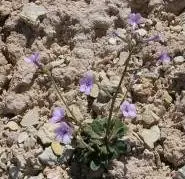
Meet one of Utah’s most endangered wildflowers – the Mussentuchit Creek gilia (Aliciella tenuis). This tiny desert beauty is so rare that it’s earned a critically imperiled conservation status, making it one of the most precious plants you could potentially grow in your garden.
What Makes This Plant Special
The Mussentuchit Creek gilia is a delicate perennial forb that produces small, tubular flowers ranging from white to pale pink. Don’t let its modest size fool you – this little plant packs a big conservation punch. As a member of the phlox family, it shares the characteristic trumpet-shaped blooms that make it a magnet for specialized pollinators.
You might also see this plant listed under its synonym Gilia tenuis, but regardless of what name you use, you’re looking at botanical royalty – a plant so rare that fewer than 1,000 individuals may exist in the wild.
Where Does It Call Home
This gilia is a true Utah native, found nowhere else on Earth. Its entire known range is limited to the Mussentuchit Creek area, which gives this plant its common name. Talk about putting all your eggs in one basket – this extreme geographic limitation is exactly why the species is in such precarious shape.
- Species observed
- No observations
The Rarity Reality Check
Here’s where we need to have a serious conversation. The Mussentuchit Creek gilia holds a Global Conservation Status of S1, meaning it’s critically imperiled. With typically five or fewer occurrences in the wild and very few remaining individuals, this plant is dancing on the edge of extinction.
What this means for gardeners: If you’re determined to grow this species, you absolutely must source seeds or plants through reputable conservation organizations or botanical gardens. Never collect from wild populations – you could literally be taking one of the last few plants on the planet.
Growing Your Own Conservation Hero
Should you take on the challenge of growing this ultra-rare species? Only if you’re seriously committed to conservation and can source materials responsibly. Here’s what you need to know:
Ideal Growing Conditions
- Climate: Arid to semi-arid conditions (likely USDA zones 4-8)
- Soil: Excellent drainage is absolutely critical – think rocky, sandy, or gravelly soils
- Water: Minimal irrigation once established; this desert dweller hates wet feet
- Sun: Full sun exposure typical of its native Utah habitat
Garden Design Ideas
If you do manage to acquire this rare beauty responsibly, it’s perfect for:
- Specialized rock gardens
- Desert or xeriscape landscapes
- Conservation collections
- Educational native plant gardens
Pollinator and Wildlife Benefits
Those delicate tubular flowers aren’t just for show – they’re perfectly designed to attract small native pollinators like specialized bees and flies. By growing this plant, you’re not just adding beauty to your garden; you’re potentially providing a lifeline for equally rare pollinators that may depend on it.
Care and Maintenance
Less is definitely more when it comes to caring for Mussentuchit Creek gilia:
- Water sparingly, and only during establishment
- Provide protection from excessive winter moisture
- Avoid fertilizers – this plant is adapted to nutrient-poor soils
- Allow natural seed production to support conservation efforts
The Bottom Line
Growing Mussentuchit Creek gilia isn’t for casual gardeners – it’s for conservation heroes. This critically endangered species needs our help to survive, but only through responsible cultivation and protection of wild populations. If you can’t source it ethically, consider growing other native Utah wildflowers that can provide similar ecological benefits without contributing to the decline of an already imperiled species.
Remember: every plant matters when there are so few left. Handle this responsibility with the care it deserves, and you’ll be part of something much bigger than just gardening – you’ll be part of preventing an extinction.