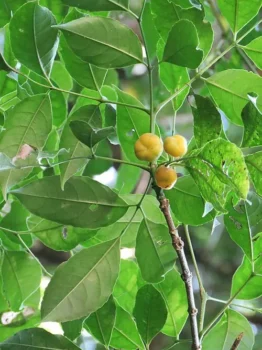
Muttonwood: A Hidden Gem of Caribbean Gardens
If you’re passionate about native Caribbean plants, you might want to get acquainted with muttonwood (Turpinia occidentalis). This intriguing tree species represents one of the lesser-known treasures of Puerto Rico and the U.S. Virgin Islands, offering gardeners in these regions a chance to connect with their local ecosystem in a meaningful way.
What Exactly Is Muttonwood?
Muttonwood, scientifically known as Turpinia occidentalis, is a perennial tree that’s as authentic to the Caribbean as it gets. This species is endemic to Puerto Rico and the U.S. Virgin Islands, meaning you won’t find it growing naturally anywhere else in the world. Talk about local bragging rights!
As a mature tree, muttonwood typically reaches heights of 13 to 16 feet or more, though environmental conditions can sometimes result in shorter, multi-stemmed growth forms. It’s the kind of tree that knows how to adapt to its surroundings – a trait that’s served it well in the diverse Caribbean landscape.
- Species observed
- No observations
Where Does Muttonwood Call Home?
This native beauty has carved out its niche specifically in Puerto Rico and the Virgin Islands. Its geographic distribution is quite limited, which makes it all the more special for gardeners in these areas who want to showcase truly local flora.
The Garden Personality of Muttonwood
Here’s where things get a bit mysterious – muttonwood is one of those plants that prefers to keep some secrets. While we know it’s a facultative wetland species (meaning it can handle both wet and dry conditions), detailed information about its specific growing requirements and garden performance is surprisingly limited in the literature.
What we do know is that this tree is remarkably adaptable when it comes to moisture levels. Whether your garden tends toward the soggy side or stays relatively dry, muttonwood might just roll with the punches.
Should You Plant Muttonwood?
If you’re gardening in Puerto Rico or the U.S. Virgin Islands, muttonwood presents an interesting opportunity to support native biodiversity. However, there are some important considerations:
- Limited availability: This isn’t a plant you’ll find at every garden center
- Unknown cultivation requirements: Growing tips are scarce, so you’d be somewhat pioneering
- Responsible sourcing: If you do find muttonwood, make sure it’s from a reputable native plant nursery
- Climate needs: This tropical native will only thrive in consistently warm climates (likely USDA zones 10-11)
Growing Muttonwood: What We Know
Unfortunately, detailed cultivation information for muttonwood is about as rare as the plant itself. Here’s what we can piece together:
- Climate: Tropical conditions are a must
- Moisture: Adaptable to various moisture levels thanks to its facultative wetland status
- Space: Plan for a tree that can reach 13-16+ feet in height
- Patience: As with most native trees, expect gradual establishment
The Bottom Line
Muttonwood represents both an opportunity and a challenge for Caribbean gardeners. On one hand, it’s a chance to grow something truly unique to your region – a living piece of local natural heritage. On the other hand, the limited cultivation information means you’d be entering somewhat uncharted territory.
If you’re an adventurous gardener who enjoys working with native species and doesn’t mind a bit of trial and error, muttonwood could be an exciting addition to your landscape. Just remember to source it responsibly and be prepared for some experimentation as you figure out what makes this Caribbean endemic happiest in your garden.
For those who prefer more predictable natives, consider exploring other well-documented Puerto Rican and Virgin Islands native trees that might offer similar benefits with more established growing guidelines.