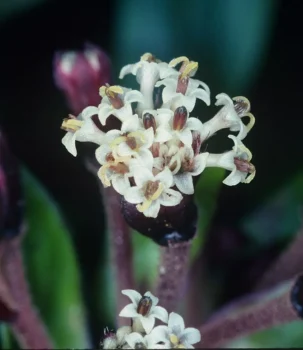
Na’ena’e ‘Ula: A Rare Hawaiian Native Worth Preserving in Your Garden
If you’re passionate about native Hawaiian plants and conservation gardening, na’ena’e ‘ula (Dubautia raillardioides) might just be the perfect addition to your landscape. This charming member of the sunflower family isn’t just another pretty face – it’s a vulnerable native species that deserves our attention and care.
What Makes Na’ena’e ‘Ula Special?
Na’ena’e ‘ula is a perennial shrub that’s as tough as it is beautiful. This multi-stemmed woody plant typically grows to about 13-16 feet tall, though it can vary depending on growing conditions. What really sets it apart are its lovely daisy-like flowers that bring a splash of color to Hawaii’s volcanic landscapes.
As a true Hawaiian native, this plant has evolved specifically for life in the islands’ unique environment. It’s perfectly adapted to volcanic soils and can handle both wet and dry conditions – talk about versatility!
Where You’ll Find Na’ena’e ‘Ula
This special shrub is found exclusively in Hawaii, where it grows naturally on volcanic slopes and diverse terrain. Its ability to thrive in both wetland and non-wetland areas makes it incredibly adaptable to different microclimates across the islands.
- Species observed
- No observations
A Word of Caution: This Plant Needs Our Help
Here’s something important every gardener should know: na’ena’e ‘ula has a Global Conservation Status of S3, which means it’s considered vulnerable. With only an estimated 21-100 occurrences and between 3,000-10,000 individual plants remaining, this species is at risk.
If you’re interested in growing na’ena’e ‘ula, please only source it from reputable native plant nurseries or conservation programs. Never collect plants from the wild – this could further threaten already vulnerable populations.
Why Grow Na’ena’e ‘Ula in Your Garden?
There are several compelling reasons to include this native beauty in your landscape:
- Conservation impact: You’ll be helping preserve a vulnerable Hawaiian native species
- Pollinator support: The flowers attract native Hawaiian insects and other beneficial pollinators
- Low maintenance: Once established, it’s quite drought tolerant and requires minimal care
- Authentic Hawaiian landscaping: Perfect for creating genuine native Hawaiian garden designs
- Erosion control: Excellent for stabilizing slopes and volcanic soils
Growing Na’ena’e ‘Ula Successfully
The good news is that na’ena’e ‘ula isn’t particularly fussy once you understand its needs:
Ideal Growing Conditions
- Climate: USDA zones 10-11 (tropical and subtropical areas)
- Sunlight: Full sun to partial shade
- Soil: Well-draining volcanic soils preferred, but adaptable
- Water: Moderate water during establishment, then quite drought tolerant
Planting and Care Tips
- Plant in spring or fall for best establishment
- Ensure excellent drainage – waterlogged roots can be problematic
- Water regularly during the first year, then reduce frequency
- Protect young plants from strong winds
- Minimal pruning needed – just remove dead or damaged branches
- No fertilizer typically required in native soils
Perfect for Native Hawaiian Gardens
Na’ena’e ‘ula shines in native Hawaiian landscape designs, xerophytic gardens, and anywhere you want to celebrate Hawaii’s unique flora. It works beautifully as a specimen plant, in mixed native plantings, or as part of a slope stabilization project.
Its moderate size makes it suitable for both residential gardens and larger landscape projects, while its adaptability to various moisture conditions gives you flexibility in placement.
A Plant Worth Preserving
Growing na’ena’e ‘ula isn’t just about adding another plant to your garden – it’s about participating in conservation efforts and maintaining Hawaii’s botanical heritage. Every responsibly sourced plant in cultivation helps ensure this species has a future.
If you’re lucky enough to live in Hawaii’s warm climate zones and can source this plant responsibly, na’ena’e ‘ula offers a wonderful opportunity to garden with purpose while enjoying a truly unique native Hawaiian species.