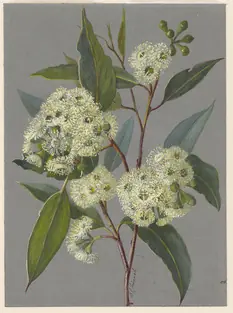
Nannyberry: The Unsung Hero of Native Landscaping
Meet the nannyberry (Viburnum lentago), a delightfully hardy native shrub that might just become your new favorite garden companion. While its name might sound more like something from a fairy tale than a serious landscaping choice, this versatile North American native packs quite a punch when it comes to both beauty and practicality.
What Makes Nannyberry Special?
Nannyberry is a perennial shrub that typically reaches about 28 feet in height at maturity, though it usually stays much smaller in garden settings. This multi-stemmed beauty belongs to the viburnums, a beloved family of shrubs known for their reliability and four-season interest. Don’t let the slow growth rate fool you – this plant’s longevity and low-maintenance nature make it worth the wait.
A True North American Native
One of nannyberry’s greatest strengths is its impressive native range across both Canada and the lower 48 states. You’ll find this adaptable shrub thriving from Alabama to Saskatchewan, and from Maine to Montana. It’s particularly well-established throughout the Midwest, Northeast, and parts of the Mountain West, making it an excellent choice for gardeners looking to support local ecosystems.
- Species observed
- No observations
Garden Appeal That Changes with the Seasons
Nannyberry offers something beautiful in every season, making it a true four-season performer:
- Spring: Clusters of fragrant white flowers create a stunning display
- Summer: Dense green foliage provides excellent screening and backdrop
- Fall: Leaves transform into brilliant yellows and reds, while conspicuous red berries add wildlife appeal
- Winter: The porous winter structure creates interesting silhouettes
Perfect Garden Roles
This versatile shrub excels in multiple landscape roles. Use it as a specimen plant where you want year-round interest, or group several together for an impressive naturalized screening. Nannyberry works beautifully in woodland gardens, where its shade tolerance really shines. It’s also fantastic for rain gardens and areas with variable moisture, thanks to its facultative wetland status – meaning it’s equally happy in wet or dry conditions.
Supporting Local Wildlife
While we don’t have complete data on all wildlife benefits, nannyberry’s spring flowers are excellent pollinator magnets, attracting bees, butterflies, and other beneficial insects. The red berries that follow provide food for birds and other wildlife, making this shrub a valuable addition to any wildlife-friendly garden.
Growing Conditions and Care
One of nannyberry’s best qualities is its adaptability. Here’s what this easygoing shrub prefers:
- Soil: Adapts to medium and fine-textured soils with pH between 5.0-7.0
- Moisture: Medium moisture needs; tolerates both wet and dry periods
- Light: Shade tolerant, making it perfect for woodland settings
- Climate: Hardy in USDA zones 2-8, tolerating temperatures as low as -33°F
- Fertilization: Medium fertility requirements – not overly demanding
Planting and Care Tips
Getting your nannyberry established is refreshingly straightforward:
- Planting: Available as bare root or container plants; spring planting works best
- Spacing: Plant 300-1200 per acre depending on your goals (closer for screening, farther for specimens)
- Propagation: Can be grown from seed (which requires cold stratification), cuttings, or purchased plants
- Maintenance: Minimal pruning needed; mulching helps retain moisture
- Patience: Remember that slow growth means long-term payoff – this shrub can live for decades
Is Nannyberry Right for Your Garden?
Nannyberry is an excellent choice if you’re looking for a native plant that offers year-round interest with minimal fuss. It’s particularly perfect for gardeners who want to support local ecosystems while enjoying reliable beauty. The slow growth rate means you won’t see instant gratification, but the long lifespan and low maintenance requirements make it a smart long-term investment.
Consider nannyberry if you have a woodland garden, need screening that works in partial shade, want to create habitat for pollinators and birds, or simply appreciate the charm of a truly native North American shrub. With its impressive cold tolerance and adaptable nature, this unassuming native might just become the backbone of your landscape design.