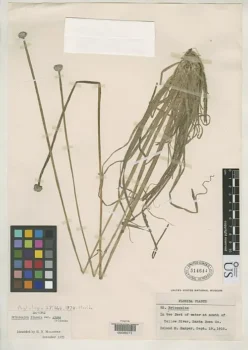
Narrow Pipewort: A Unique Native Wetland Beauty for Specialized Gardens
If you’re looking to add something truly distinctive to your wetland garden, narrow pipewort (Eriocaulon lineare) might just be the conversation starter you need. This quirky little native plant produces charming white button-like flowers that look almost like tiny golf balls perched on slender green stems. While it’s not your typical garden center find, this southeastern native offers something special for gardeners willing to meet its very specific needs.
What Makes Narrow Pipewort Special
Narrow pipewort is a perennial forb native to the lower 48 states, specifically thriving in the southeastern coastal regions. You’ll find this unique plant naturally occurring in Alabama, Florida, Georgia, Louisiana, and Mississippi, where it has adapted to life in constantly wet environments.
- Species observed
- No observations
The plant’s most striking feature is its distinctive flower heads – small, white, spherical clusters that emerge on thin stalks above grass-like foliage. These button-shaped blooms give the plant its pipewort common name, as they somewhat resemble the bowl of a tiny pipe.
Growing Conditions: Not for the Faint of Heart
Here’s where narrow pipewort gets interesting (and challenging). This plant is classified as an obligate wetland species, meaning it almost always occurs in wetlands in nature. If you’re dreaming of adding it to your typical perennial border, you might want to think again.
Narrow pipewort thrives in:
- Constantly moist to wet, acidic soils
- Full sun to partial shade conditions
- USDA hardiness zones 8-10
- Bog gardens, pond margins, or specialized wetland plantings
Is Narrow Pipewort Right for Your Garden?
Let’s be honest – this isn’t a plant for everyone. Narrow pipewort requires very specific growing conditions that most home gardeners can’t easily provide. However, if you have a water garden, bog garden, or natural wetland area on your property, this native beauty could be a fantastic addition.
Consider narrow pipewort if you:
- Have a pond, water garden, or wetland area
- Are creating a rain garden or bioswale
- Want to support native plant conservation
- Enjoy unique, conversation-starting plants
Skip narrow pipewort if you:
- Don’t have consistently wet growing conditions
- Prefer low-maintenance plants
- Are looking for showy, colorful blooms
- Garden in areas outside its native range
A Word About Rarity
Before you rush out to find narrow pipewort, there’s something important to consider. This plant has a rarity status of S2 in Alabama, meaning it’s imperiled in that state. If you decide to grow narrow pipewort, make sure you source it responsibly from reputable native plant nurseries rather than collecting from wild populations.
Planting and Care Tips
If you’ve got the right conditions and can source the plant responsibly, here’s how to grow narrow pipewort successfully:
- Plant in spring in consistently wet, acidic soil
- Ensure the planting area never dries out completely
- Provide full sun to partial shade
- Allow the plant to naturalize in appropriate wetland conditions
- Minimal fertilization needed – these plants are adapted to nutrient-poor wetland soils
The Bottom Line
Narrow pipewort is a fascinating native plant that offers unique beauty for specialized gardens. While its growing requirements limit its use to wetland gardens and water features, it can be a rewarding addition for gardeners who can meet its needs and source it responsibly. This little native gem reminds us that sometimes the most interesting plants are the ones that challenge us to think beyond traditional gardening approaches.
If narrow pipewort isn’t right for your garden, consider other native wetland plants like blue flag iris, cardinal flower, or swamp milkweed that might be easier to grow while still supporting local ecosystems.