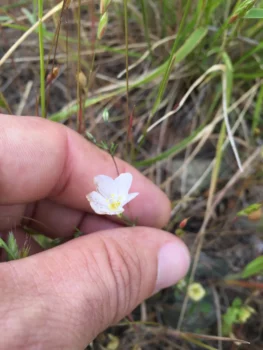
Narrowflower Flaxflower: A Delicate Native Annual for Western Gardens
If you’re looking to add some subtle charm to your native plant garden, let me introduce you to narrowflower flaxflower (Leptosiphon liniflorus). This petite annual wildflower might not be the showiest plant in your garden, but it brings its own quiet beauty and important ecological benefits to western landscapes.
What is Narrowflower Flaxflower?
Narrowflower flaxflower is a native annual forb that belongs to the Phlox family. True to its name, this delicate wildflower produces small, narrow flowers that are typically white to pale pink in color. As an annual, it completes its entire life cycle in one growing season, making it a charming but temporary addition to your garden each year.
You might also encounter this plant under several other botanical names in older references, including Linanthus liniflorus or Gilia pharnaceoides, as taxonomists have reclassified it over the years.
Where Does It Grow Naturally?
This lovely native species calls the western United States home, naturally occurring across California, Idaho, Nevada, Oregon, and Washington. It’s perfectly adapted to the diverse climates and growing conditions found throughout these western states, from coastal areas to inland valleys.
- Species observed
- No observations
Why Consider Growing Narrowflower Flaxflower?
There are several compelling reasons to include this native annual in your garden:
- Native plant benefits: As a true native species, it supports local ecosystems and provides food for native wildlife
- Pollinator support: The small flowers attract native bees and other beneficial insects
- Low maintenance: Once established, it requires minimal care and is quite drought tolerant
- Authentic regional character: Adds genuine local flora to your landscape
- Naturalized garden appeal: Perfect for creating that wild meadow look
Important Conservation Note
Before you get too excited about adding this plant to your garden, there’s something important to know: narrowflower flaxflower has an undefined conservation status (S3?), which suggests it may be somewhat uncommon in parts of its range. If you choose to grow this species, please make sure you source seeds or plants from reputable native plant suppliers who collect responsibly. Never collect seeds or plants from wild populations.
Perfect Garden Settings
Narrowflower flaxflower isn’t meant for every garden situation, but it shines in the right settings:
- Native wildflower gardens: Ideal for authentic regional plant communities
- Rock gardens: Its delicate structure works beautifully among stones
- Xeriscape gardens: Drought tolerance makes it perfect for water-wise landscapes
- Naturalized meadow areas: Blends beautifully with other native annuals and perennials
- Restoration projects: Excellent choice for habitat restoration in appropriate regions
Growing Conditions and Care
The good news is that narrowflower flaxflower is relatively easy to grow if you can provide the right conditions:
Climate: Best suited for USDA hardiness zones 7-10, matching its native western range.
Light requirements: Prefers full sun but can tolerate some partial shade.
Soil needs: Thrives in well-drained soils and is quite adaptable to different soil types, as long as drainage is good.
Water requirements: Drought tolerant once established, but appreciates some water during germination and early growth.
Planting and Care Tips
Growing narrowflower flaxflower successfully comes down to mimicking its natural growing conditions:
- Seeding time: Direct seed in fall for spring germination, or in early spring
- Soil preparation: Ensure good drainage – this plant doesn’t like wet feet
- Seeding depth: Plant seeds shallowly, barely covering them with soil
- Spacing: Allow natural spacing as seeds germinate and establish
- Maintenance: Minimal care needed once established; let plants self-seed for future years
- Water management: Provide occasional deep watering during dry spells, but avoid overwatering
Setting Realistic Expectations
Let’s be honest – narrowflower flaxflower won’t be the star of your garden show. This is a subtle, delicate plant that’s more about ecological function than dramatic visual impact. Its flowers are small, and the overall plant structure is quite fine and understated. But that’s exactly what makes it special! It’s the kind of plant that rewards close observation and adds authentic character to natural-style gardens.
Wildlife and Ecological Benefits
While narrowflower flaxflower may be modest in appearance, it punches above its weight when it comes to supporting local wildlife. Native bees and other small pollinators are particularly drawn to these flowers, and the plant plays its part in the complex web of relationships that make healthy ecosystems function.
Is Narrowflower Flaxflower Right for Your Garden?
This charming native annual is perfect for gardeners who:
- Want to support native ecosystems and pollinators
- Appreciate subtle, naturalistic garden beauty
- Live in the western United States within its native range
- Prefer low-maintenance, drought-tolerant plants
- Are creating native plant or wildlife gardens
However, it might not be the best choice if you’re looking for bold, showy flowers or need plants that perform well outside of western growing conditions.
If you’re drawn to supporting native plants and creating authentic regional landscapes, narrowflower flaxflower offers a wonderful way to connect your garden to the natural heritage of the American West. Just remember to source it responsibly and enjoy the quiet satisfaction of growing a true native treasure.