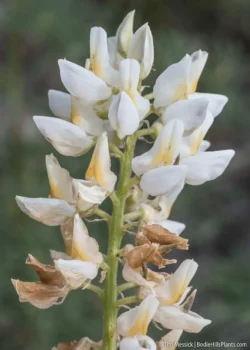
Narrowflower Lupine: A Hidden Gem for California Native Gardens
If you’re looking to add some authentic California charm to your garden while supporting local wildlife, narrowflower lupine (Lupinus angustiflorus) might just be the perfect native plant you’ve never heard of. This perennial wildflower brings classic lupine beauty to drought-tolerant landscapes with its distinctive purple-blue flower spikes and delicate, narrow foliage.
What Makes Narrowflower Lupine Special?
Narrowflower lupine is a true California native, found exclusively within the Golden State’s coastal ranges and foothills. As a perennial forb, it returns year after year, developing a deeper root system that helps it thrive in California’s Mediterranean climate. Unlike some of its more common lupine cousins, this species has earned its name from its characteristically narrow leaves and more delicate overall appearance.
Where Does It Grow Naturally?
This lupine species is endemic to California, making it a fantastic choice for gardeners wanting to create authentic regional landscapes. You’ll find it naturally occurring in coastal mountain ranges and foothill areas throughout the state, where it has adapted perfectly to the local climate and soil conditions.
- Species observed
- No observations
Garden Design and Landscape Role
Narrowflower lupine shines brightest in naturalized settings where it can spread and self-seed. Here’s where it works best:
- California native plant gardens
- Wildflower meadows and prairies
- Drought-tolerant landscape borders
- Slope stabilization plantings
- Wildlife habitat gardens
Its moderate size makes it perfect for middle-ground plantings, where it won’t overwhelm smaller native grasses and wildflowers but still provides substantial visual impact during blooming season.
Pollinator Paradise
Like most lupines, narrowflower lupine is a pollinator magnet. Its purple-blue flower spikes attract native bees, butterflies, and other beneficial insects throughout its blooming period. The flowers’ unique shape makes them particularly attractive to long-tongued bees, and the plant serves as a host for several native butterfly species.
Growing Conditions and Care
One of the best things about narrowflower lupine is how well-adapted it is to California’s challenging growing conditions. Here’s what it needs to thrive:
Sunlight: Full sun to partial shade, though it performs best with at least 6 hours of direct sunlight daily.
Soil: Well-draining soil is essential. This lupine tolerates poor, rocky, or clay soils as long as water doesn’t pool around the roots.
Water: Drought-tolerant once established. Provide regular water the first year, then reduce to occasional deep watering during extended dry periods.
Climate: Hardy in USDA zones 8-10, perfectly suited to California’s Mediterranean climate with wet winters and dry summers.
Planting and Propagation Tips
Growing narrowflower lupine from seed gives the best results, though patience is key:
- Direct seed in fall for natural winter stratification
- Scarify seeds lightly with sandpaper to improve germination
- Soak seeds overnight before planting
- Plant seeds about ¼ inch deep in well-prepared soil
- Keep soil moderately moist until germination occurs
- Space plants 12-18 inches apart if transplanting seedlings
Like most lupines, narrowflower lupine has a taproot and doesn’t transplant well once established, so choose your planting location carefully.
A Word About Conservation
Narrowflower lupine has an uncertain conservation status, which means we should be thoughtful about how we source and grow this beautiful native. If you’re interested in adding it to your garden, look for responsibly sourced seeds from reputable native plant nurseries or seed companies that collect ethically from wild populations. Never collect seeds or plants from the wild without permission, and consider participating in seed swaps with other native plant enthusiasts.
Is Narrowflower Lupine Right for Your Garden?
This charming native lupine is perfect for gardeners who want to create authentic California landscapes while supporting local wildlife. It’s particularly well-suited for:
- Gardeners committed to using only California native plants
- Those creating low-maintenance, drought-tolerant landscapes
- Wildlife enthusiasts wanting to support native pollinators
- Anyone looking for unique, lesser-known native alternatives to common garden plants
While it may take some patience to establish and source responsibly, narrowflower lupine rewards gardeners with years of beautiful blooms, wildlife activity, and the satisfaction of growing a true piece of California’s natural heritage. Just remember to give it the well-draining conditions it craves and the space to show off its elegant, narrow-leaved beauty.